
Female Incontinence Treatment in Guelph & Wellington County
Female incontinence is common, but it isn’t something you have to live with. Our physiotherapists help you understand what type of incontinence you have and create a plan tailored to the type of incontinence you have.
. No Referral Needed.
Convenient billing available with most major insurers











If you don’t see your provider listed, give us a call to confirm. Learn more about convenient billing.
Many people are confused about the reasons behind their incontinence concerns, and often believe involuntary loss of urine is a normal part of childbirth or aging. Incontinence concerns are common, but they are not normal, and the causes are varied.
There is overwhelming scientific research supporting the role of physiotherapy in treating incontinence, whatever type you’re experiencing.
Regressions or reoccurrences can happen after events like a bout of the flu, a chronic cough, or repetitive heavy lifting. If your symptoms return, you’re welcome to come back to the clinic at your convenience.
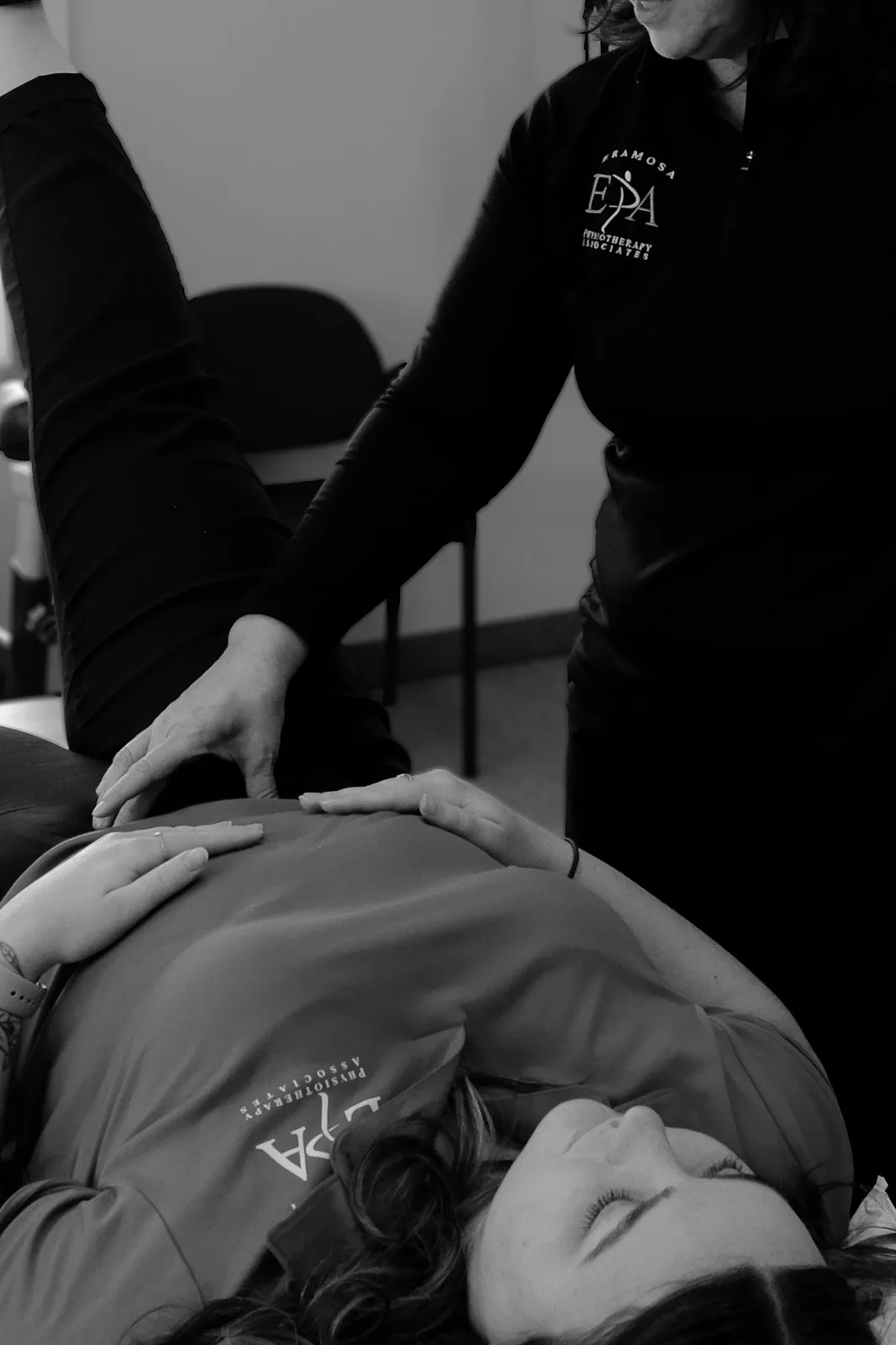
Common causes of Female Incontinence
Continence complaints in women can result from:
- Childbirth, particularly after difficult labours, tearing, or additional trauma to the pelvic floor from forceps or suction
- Aging, partly due to hormone changes that affect the muscle and pelvic floor tissue’s integrity
- Weak and/or tight pelvic floor muscles — a weak muscle may not generate the force needed to support the internal organs, and a tight pelvic floor can create trigger points that also result in weakness
- Pain or trigger points within the pelvic floor tissue, muscles, or surrounding abdominal muscles, which can create both weakness and pain
Medical diagnoses for Female Incontinence
Incontinence in women can take a few different forms:
- Stress incontinence (SI) — leakage noticed during a cough, sneeze, laugh, or strenuous activity like soccer, jumping jacks, or other aerobic exercise
- Urge incontinence (UI) — leakage accompanied by a sudden, urgent need to get to a bathroom, which can make everyday activities like grocery shopping or a long car ride hard to enjoy
- Mixed incontinence (MI) — the most common form of incontinence, combining both stress and urge incontinence; leakage can start off minimal, occurring only with a cough or sneeze, then progress to amounts significant enough to require protective padding or avoiding activities you once enjoyed
How we treat Female Incontinence
Your treatment begins with a comprehensive assessment, including a thorough review of your bladder history. From there, we address the causes of your incontinence using treatments such as:
- Hands-on techniques, both external and internal, to address muscle weakness, pain, or trigger points
- Releasing scar tissue, connective tissue, and nerve tissue
- Assessment of areas that can contribute to continence concerns, such as the low back, hips, and bones of the pelvis, as well as the strength of your core abdominal muscles
- Education on the progression of pelvic floor exercises, the importance of hydration, and correct toileting practices
- Therapeutic modalities when indicated, including acupuncture, muscle stimulation, and biofeedback
Recovery Timeline
Most continence complaints are significantly improved with measurable changes in leakage within 8 to 12 weeks. Your commitment is typically 2 to 3 times a week for 40 minute sessions during the first 4 to 6 weeks, while you learn a home exercise program tailored to your concerns.
When Physiotherapy isn’t enough
If your symptoms aren’t resolved in a timely manner based on your diagnosis, we will work with your healthcare provider to arrange further testing and treatment.
Ready to Get Started?
Schedule Appointment
Book directly with the clinic and physiotherapist of your choice.
Related Articles
No posts found.
Try adjusting your query parameters.
What Our Patients Are Saying
What our patients are saying
Trusted by 2,000+ patients annually for over 30 years.
Frequently Asked Questions
Get your questions answered
Common questions about female incontinence and physiotherapy. Still have questions? We’re happy to help.
No. Physiotherapists in Ontario are primary care providers, so you can book an assessment directly. Direct billing to most major insurers is also available at our clinics.
It’s common, but it isn’t normal, and it’s not something you have to live with. Incontinence responds well to treatment at any age or stage — a pelvic health physiotherapist can identify what’s driving your symptoms and build a plan around it.
Stress incontinence is leakage triggered by physical exertion — coughing, sneezing, laughing, or exercise. Urge incontinence is leakage that comes with a sudden, strong need to urinate. Many women have a mix of both, and your assessment will identify which pattern (or patterns) you’re dealing with.
Not always. Kegels help when the pelvic floor is weak, but they’re not the right approach for everyone, and they’re often done incorrectly without guidance. Your assessment determines whether your pelvic floor needs strengthening, relaxation, or a combination of both.
Most people see measurable improvement in leakage within 8 to 12 weeks of treatment, though this varies by diagnosis. Your physiotherapist will give you a timeline specific to your situation at your first assessment.
Related conditions
You may also be dealing with
Ready to get started?
Your Recovery Begins Here
.
No Referral Needed.