Occupational Therapy in Guelph & Wellington County
Occupational therapy at Eramosa helps you rebuild the skills for everyday activities, including self-care, work, and leisure, after an injury, illness, or change in physical or cognitive function. No referral is needed to book.
. No Referral Needed.
Convenient billing available with most major insurers









If you don’t see your provider listed, give us a call to confirm. Learn more about convenient billing.
Occupational therapy focuses on helping people regain independence in the activities that make up daily life. Treatment is built around practical strategies, activity modification, and tools or exercises suited to each person’s needs, whether that means adapting a task, building a new skill, or working through the effects of an injury or change in ability.
Occupational therapy differs from physiotherapy in its focus — where physiotherapy centres on restoring movement and physical function, occupational therapy centres on your ability to actually do the daily tasks and roles that matter to you, whether that’s self-care, returning to work, or getting back to activities you’ve had to set aside. Our occupational therapists work with people managing physical, cognitive, or emotional challenges following an injury, illness, or life transition.
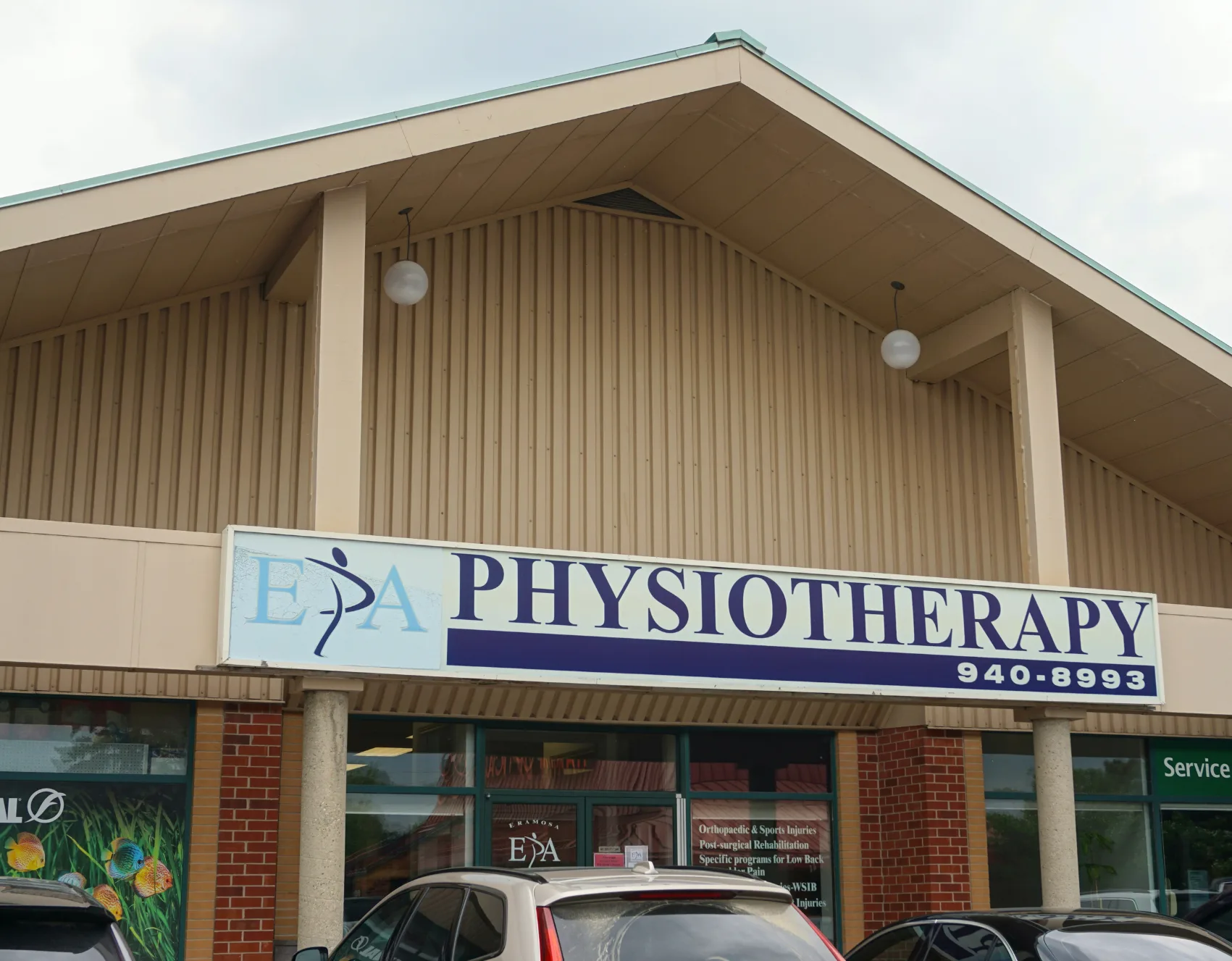
Occupational therapy is available at our Guelph, Gordon Street, and Georgetown clinics. Virtual appointment options are available in addition to in-person appointments.
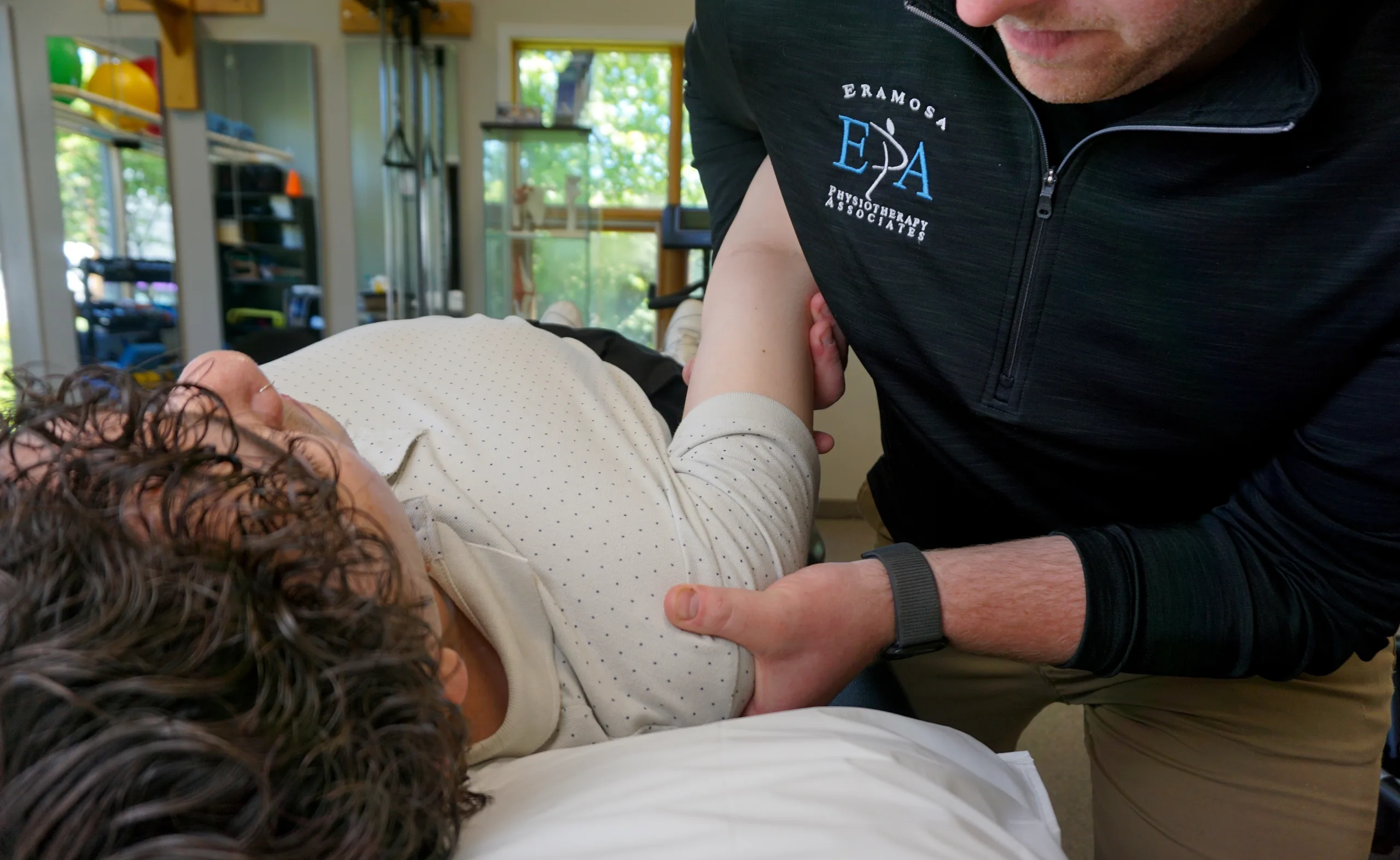
Areas we support with Occupational Therapy
Occupational therapy addresses the functional impact of an injury, illness, or life transition — helping you manage daily tasks, return to work, and re-engage in activities that matter to you. We support people navigating recovery from injury or surgery, chronic pain, mild traumatic brain injury, and the physical or cognitive effects of illness, alongside practical strategies like ergonomic and home-safety assessment.
What to expect from your Eramosa Occupational Therapy experience
Path to Improved Health is the framework every Eramosa patient follows. We’ve used it to guide assessment, treatment, and recovery since 1997 — and it’s how we make sure nothing about your care is left to chance.
Assessment and goal-setting
Your first appointment is a conversation about how your symptoms are affecting your daily life — self-care, work, relationships, and the activities that matter to you. Your occupational therapist combines your history with a functional assessment to understand what’s getting in the way and what you want to work toward.
Treatment built around your goals
Your care plan is unique to your goals and may include rehabilitative exercises, ergonomic and functional-movement strategies, activity pacing, and evidence-based approaches such as Cognitive Behavioural Therapy or Acceptance and Commitment Therapy, depending on what’s contributing to your symptoms.
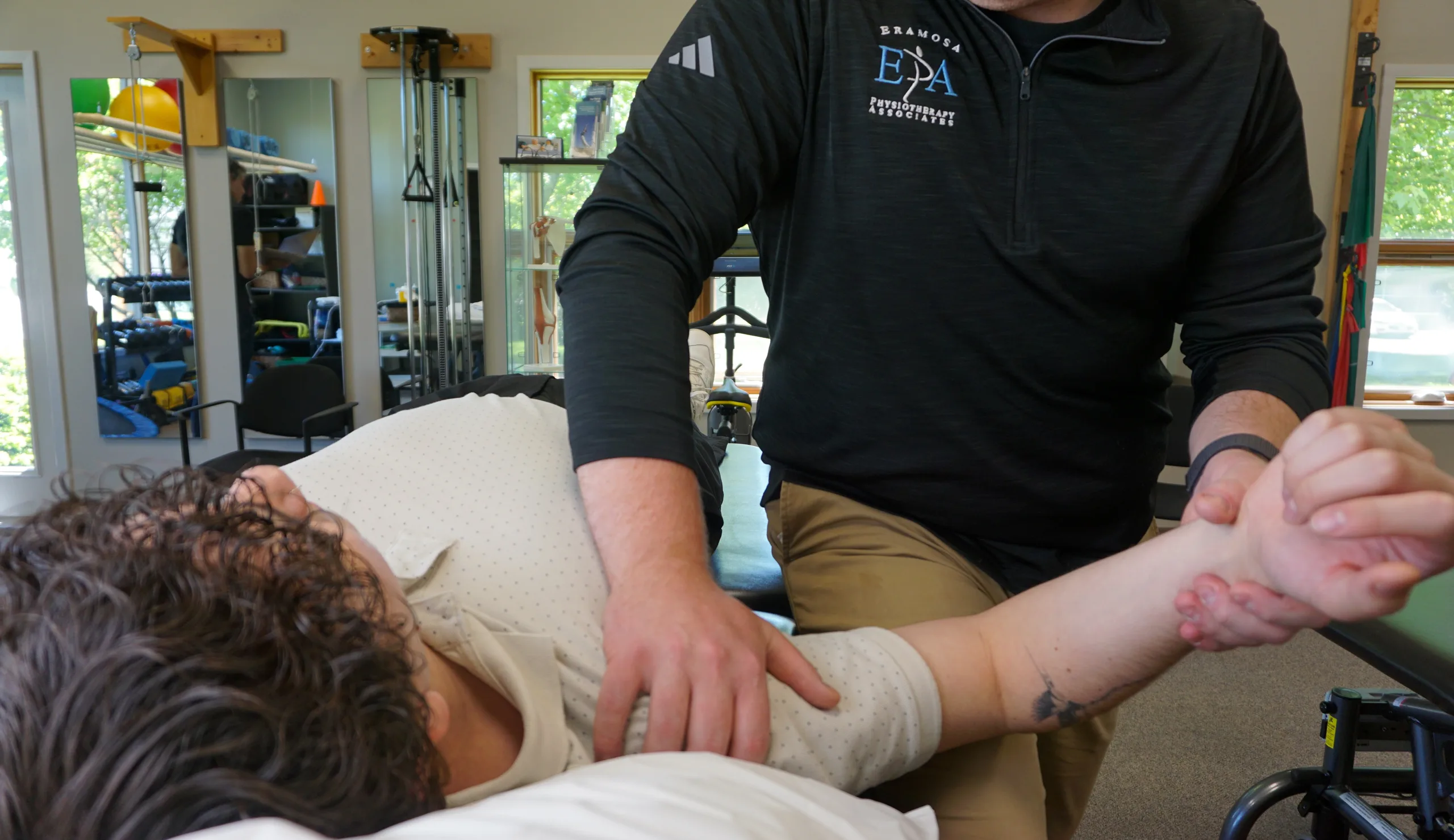
Building back your independence
Occupational therapy works toward re-engaging you in the roles, routines, and activities you’d set aside — whether that’s returning to work, resuming daily tasks, or managing symptoms with more confidence. Your plan is adjusted as your function and goals evolve.
Ready to Get Started?
Schedule Appointment
Book directly with the clinic and practitioner of your choice.
Related Articles
No posts found.
Try adjusting your query parameters.
What Our Patients Are Saying
What our patients are saying
Trusted by 2,000+ patients annually for over 30 years.
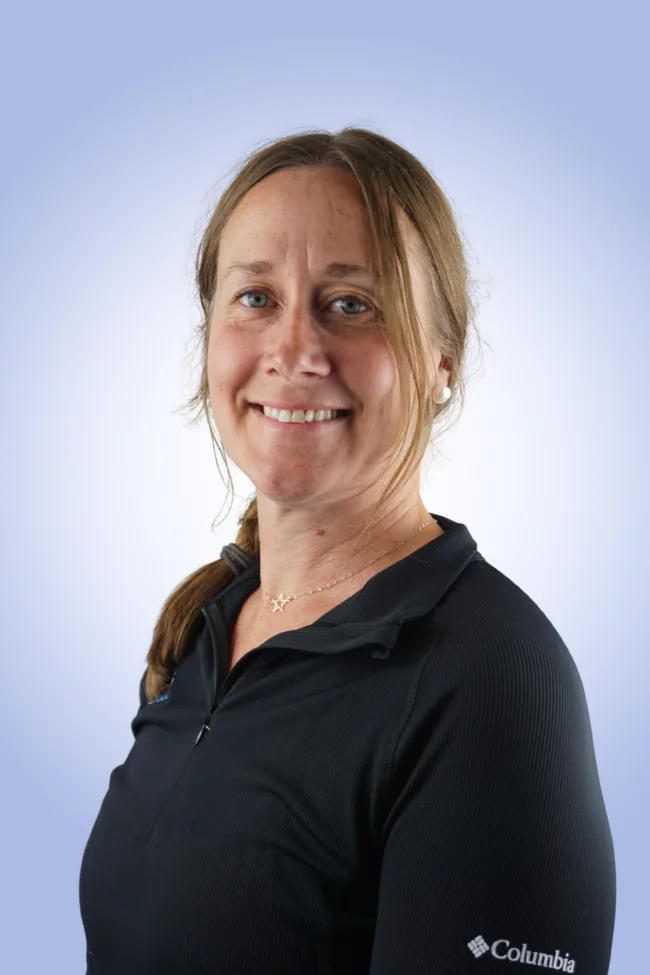
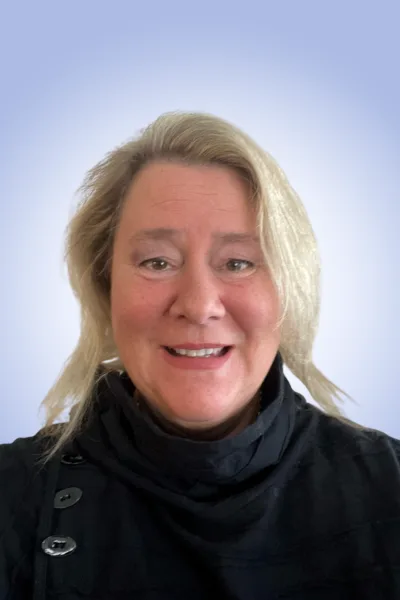
Meet our Occupational Therapists
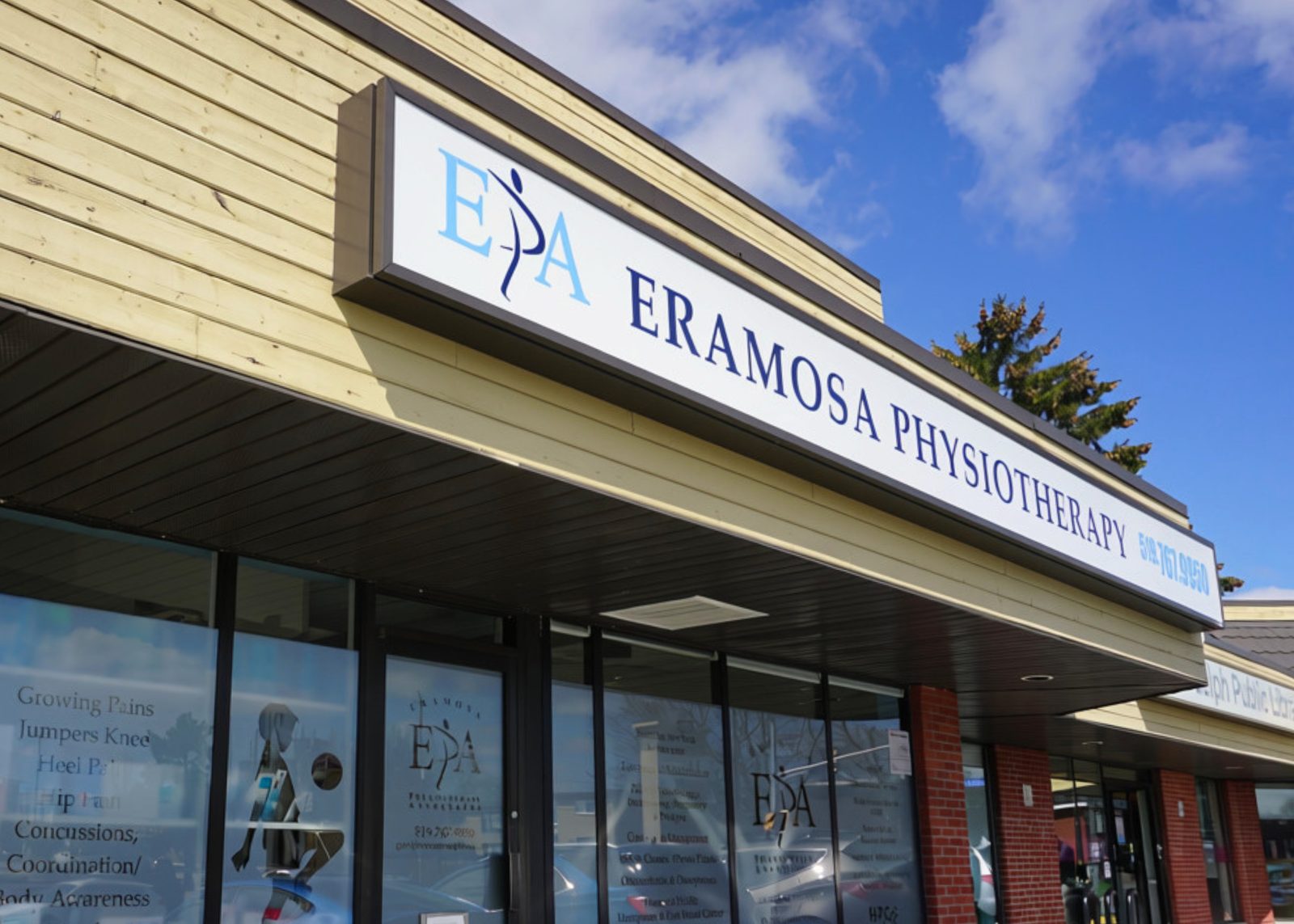
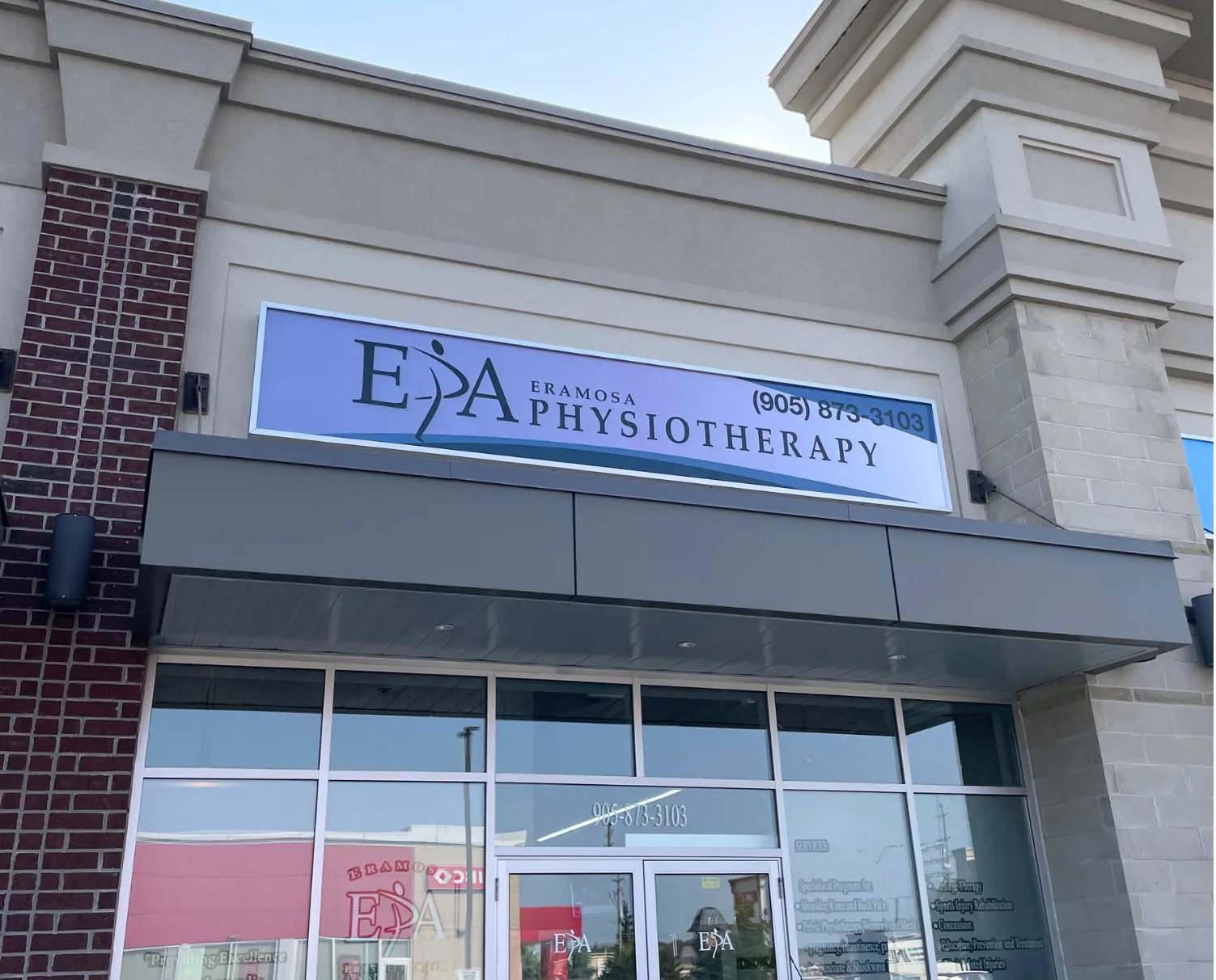
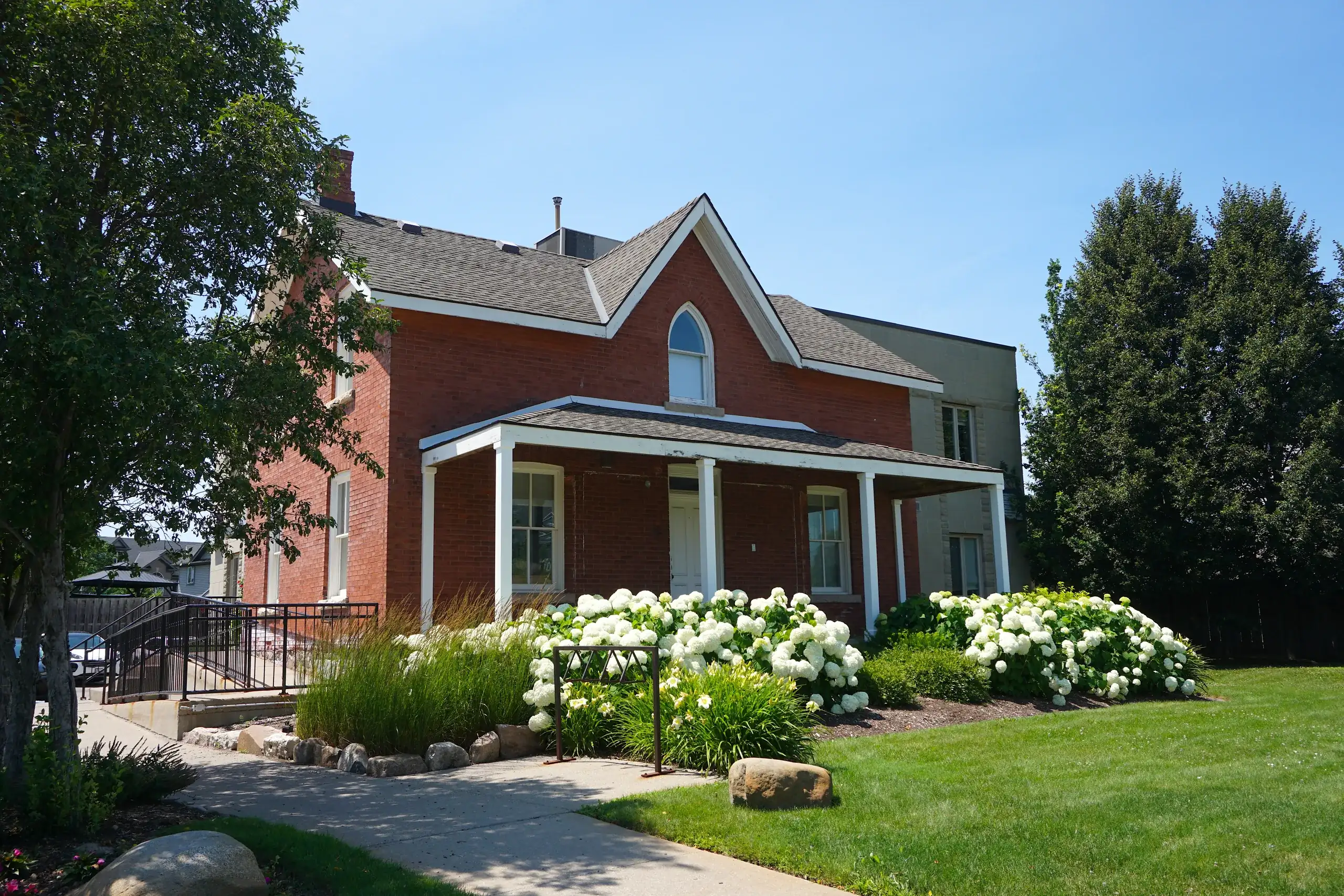
Our Occupational Therapy Clinics
Frequently Asked Questions
Get your questions answered
Common questions about occupational therapy at Eramosa. Still have questions? We’re happy to help.
No. You can book an occupational therapy assessment directly, without a physician referral. Direct billing to most major insurers is also available at our clinics.
Physiotherapy focuses on restoring movement and physical function, while occupational therapy focuses on your ability to actually carry out the daily tasks and roles that matter to you — from self-care to returning to work. The two often work well together, and your care team can help you figure out which fits your goals, or whether both would help.
Occupational therapy supports people managing the physical, cognitive, or emotional effects of an injury, illness, or major life transition — including recovery from surgery or injury, chronic pain, mild traumatic brain injury, and the impact these have on work, self-care, and daily routines.
Both, depending on what you need. Your plan may combine rehabilitative exercises and ergonomic or functional-movement strategies with approaches like activity pacing or evidence-based techniques such as Cognitive Behavioural Therapy, built around your specific goals.
Occupational therapy is currently available at our Guelph and Gordon Street clinics. If you’re not sure it’s offered at your preferred location, our team can help you find the right clinic.
Related Services
Other ways we can help

Ready to get started?
Your Recovery Begins Here
.
No Referral Needed.