Work-Related Programs in Guelph & Wellington County
Physiotherapy for workplace injuries (WSIB) plus employer services — functional testing, job-demands analysis, and guided rehabilitation for a safe return to work. No referral is needed to book.
. No Referral Needed.
Convenient billing available with most major insurers





If you don’t see your provider listed, give us a call to confirm. Learn more about convenient billing.

Helping Workers Recover, Rebuild & Return to Work
When a workplace injury occurs, recovery often requires more than treatment alone. It requires a coordinated approach that considers the worker, their job demands, functional abilities, and goals for returning to work safely. At Eramosa Physiotherapy Associates (EPA), we have extensive experience providing rehabilitation services for individuals recovering from work-related injuries and conditions.
Our industrial rehabilitation program works with employees, employers, insurers, and other members of the care team to provide evidence-based assessment, treatment, rehabilitation, and return-to-work support.
Whether someone requires general orthopedic physiotherapy or a more specialized, interdisciplinary approach, we can help connect workers with the appropriate services for their recovery.
Program of Care (POC) – Regular WSIB Care
EPA also provides regular WSIB Program of Care (POC) services for eligible workplace injuries. For appropriate cases, workers can come directly into the clinic to receive care through EPA, or through a referral from WSIB.
The current WSIB Musculoskeletal Program of Care provides early, evidence-based community care for eligible musculoskeletal injuries and is designed to help workers recover and return to or stay at work.
Interdisciplinary Team (IDT) Program of Care
EPA’s Interdisciplinary Team (IDT) Program of Care brings multiple rehabilitation disciplines together to address the different aspects of recovery. The IDT program is a contracted community-based program for people with complex musculoskeletal injuries and can include specialized treatment and work hardening.
Unlike Specialized Recovery Services, the IDT program is not divided into the same specialty streams.
EPA clinics offering the IDT Program of Care include Acton, Georgetown, Elora, Cambridge, Guelph, and Orangeville.
Specialized Recovery Services
Some workplace injuries are more complex and require specialized assessment and treatment.
EPA provides access to Specialized Recovery Services for workers who require more comprehensive rehabilitation for complex work-related injuries. WSIB describes these services as interdisciplinary programs designed to support recovery and a safe return to work.
The specialty program is multidisciplinary. Depending on the worker’s needs, the care team may include physiotherapists, occupational therapists, massage therapists, and psychotherapists, working together as appropriate.
The Specialized Recovery Services support the following WSIB specialty streams: upper extermity, lower extremity, neck, and neurological.
EPA is able to offer these specialized programs because of our longstanding relationship with Trillium Health Partners and the reputation we have built for delivering workplace rehabilitation across the communities we serve. Trillium’s selection of EPA reflects our experience, clinical capabilities, and established presence across the region.
Specialized Recovery Services are accessed through the appropriate WSIB referral process and are intended for workers who require this level of care.
EPA’s clinics offering specialty streams are Georgetown, Acton, and Orangeville.

Our Industrial Services
Our industrial rehabilitation services support workers, employers, and workplaces through assessment, rehabilitation, functional testing, and return-to-work planning.
- A PDA is a document that outlines all essential and non-essential demands of a specific job.
- A Regulated Health Professional will quantify, break the job down into components and evaluate all of the physical and environmental demands.
- PDA’s give a clear outline for employees returning to jobs from injury.
- PDAs demonstrate to regulatory bodies like WSIB that the company is organized and has done their due diligence.
- POETs put prospective employees through job specific work tasks that are determined through collaboration with the employer and their unique needs
- A Regulated Health Professional evaluates the prospective employee on whether he or she can physically perform the tasks of the job.
- The testing can also evaluate the biomechanics and technique of the prospective employee to ensure proper biomechanics and technique are observed.
- POET results help place employees in the most ideal physically demanding position for that individual, therefore minimizing future injuries.
- Employers who use post-offer employment testing, or POETs, achieve an average 47% fewer workers’ compensation injuries and three times higher retention than those who don’t use POETs.
- Reducing future injuries eventually results in savings on WSIB premiums.
- An FAE is a test to assess the injured worker’s capabilities and limitations to help facilitate the worker’s timely return to work and reduce the chance of re-injury.
- The objective testing can involve the worker performing lifting, carrying and pushing tasks, as well as job-specific tasks to mimic a typical day the worker will experience.
- A RTW program is essential for an employee who has suffered an injury.
- Work conditioning programs help target strength, endurance and functional work demands to build an injured employee’s tolerance and assist in a successful return to work.
- The individualized plan can help an injured employee remain at work or help safely return the employee to work.
- Returning the employee to work too soon, whether not physically or mentally ready, will increase the chances of the employee re-injuring themselves.
- RTW planning will include general strengthening, job specific strengthening and job coaching/retraining
- An EPT program ensures that injured employees can quickly access medical care from a team of Regulated Healthcare Providers.
- EPA has a strong referral network of over 500 physicians, giving employees confidence that they are being referred to a provider who has their best interest as a priority.
- EPT gives employers extended communication to create an environment of information sharing to allow employees a safe and quick return to work.
- EPT gives employers access to our multiple EPA sites across the southern golden triangle area.

What to expect from your Eramosa physiotherapy experience
When you come to EPA for an industrial rehabilitation appointment, the professional you see will depend on the type of service you have been referred for and your individual rehabilitation needs.
Your first appointment will focus on understanding your injury, your current abilities, your job demands, and your goals.
Your clinician will review relevant information and complete the appropriate assessment to determine the best course of rehabilitation.
Your initial assessment is completed by a physiotherapist, who develops the appropriate rehabilitation plan based for your injury, functional abilities, and work demands.
As treatment progresses, you may be transitioned to a Physiotherapy Assistant (PTA) or Registered Kinesiologist (R.Kin) for supervised exercise and functional rehabilitation. Your physiotherapist remains involved in your care and monitors your progress.
For workplace injuries, communication is an important part of the recovery process. Where appropriate, a report is provided to your employer and the relevant parties involved in your claim and return-to-work planning.
The ultimate goal is to help you safely and confidently resume your regular work activities — or progress toward modified duties and increased functional demands as appropriate.
Your rehabilitation plan will be adjusted as your abilities improve.
Common work-related injuries we treat
Workplace injuries commonly involve the low back, shoulder, elbow, and wrist — from repetitive strain to acute lifting injuries. Treatment is matched to your job’s actual physical demands, so your recovery targets the work you need to return to.
Ready to Get Started?
Schedule Appointment
Book directly with the clinic and physiotherapist of your choice.
Related Articles
No posts found.
Try adjusting your query parameters.
What Our Patients Are Saying
What our patients are saying
Trusted by 2,000+ patients annually for over 30 years.
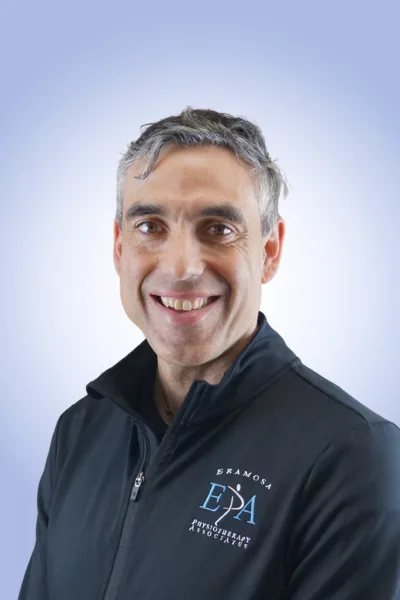
Meet our Physiotherapists



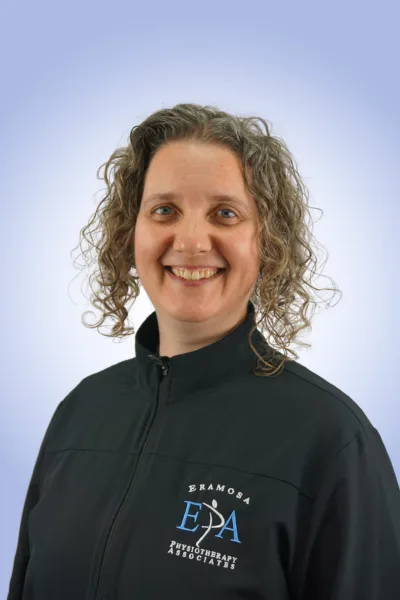
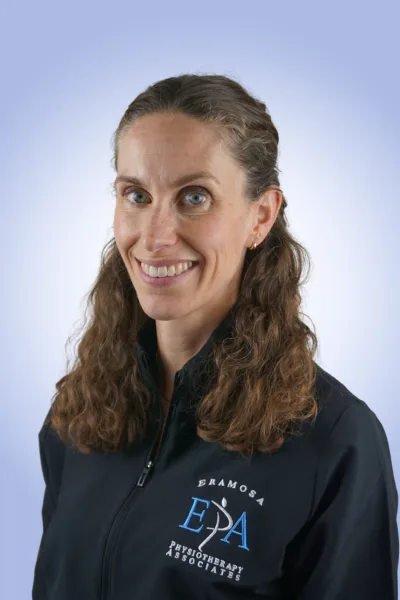



Our Work-Related Programs Clinics
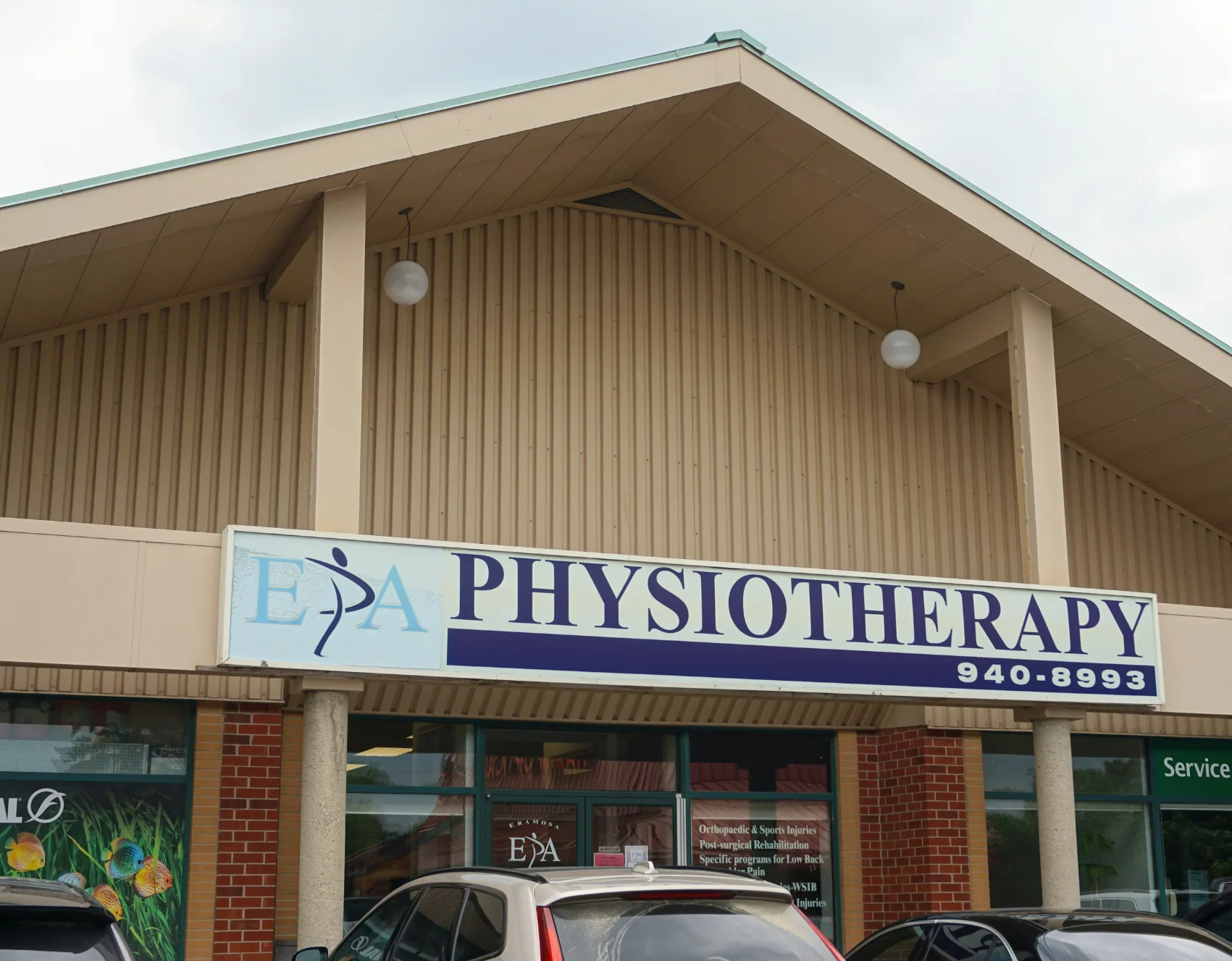
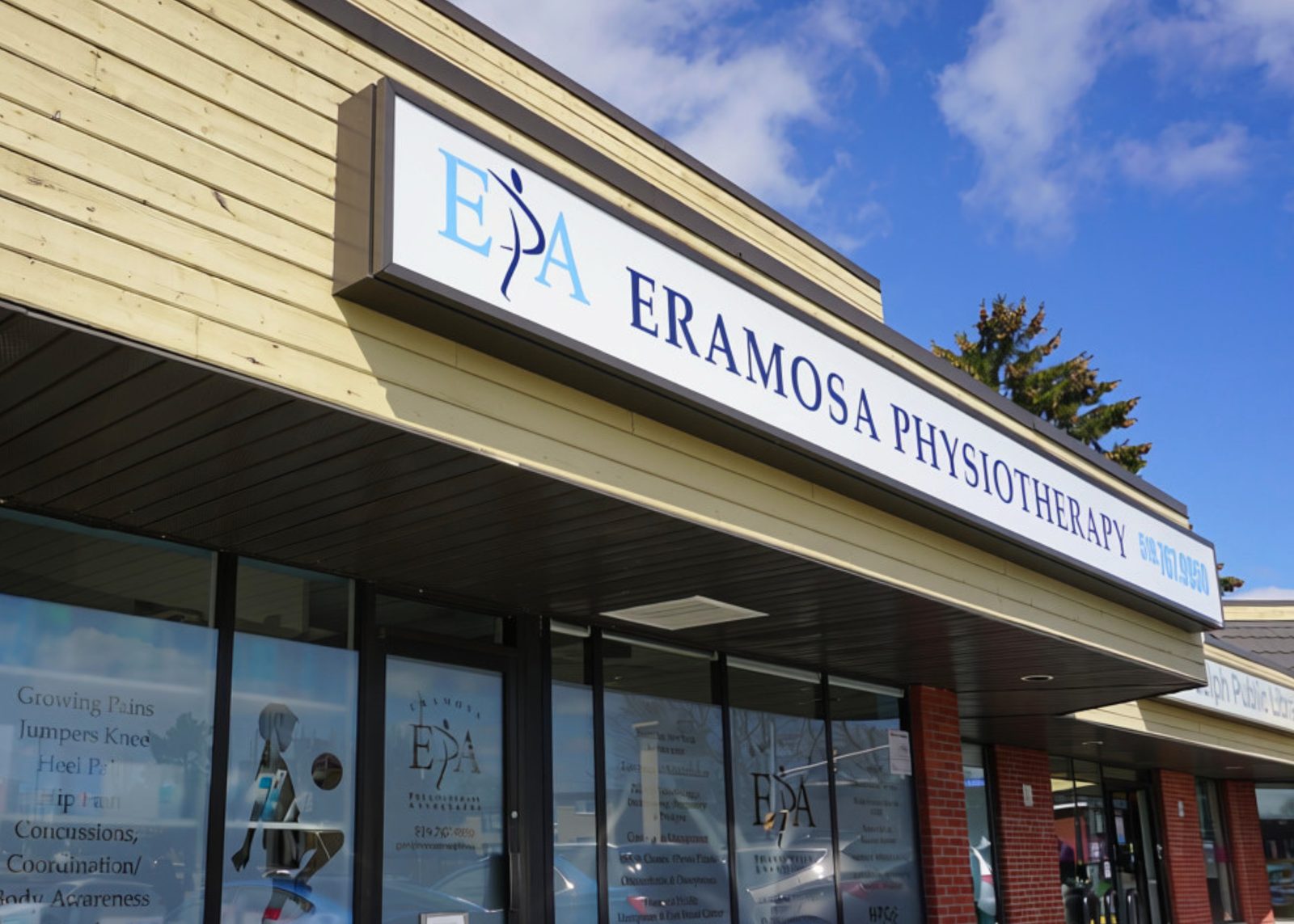

Frequently Asked Questions
Get your questions answered
Common questions about work-related programs at Eramosa. Still have questions? We’re happy to help.
No. Physiotherapists in Ontario are primary care providers, so you can book an assessment directly. Our clinic team can help you understand what your WSIB claim requires when you call.
We provide timely assessments — within 48 hours of injury where needed — with reporting that outlines your capabilities for modified work.
A standardized 3–5 hour evaluation (or a two-day version when endurance and repetitive-work capacity matter) using Metriks protocols and equipment. It identifies impairments, outlines return-to-work capabilities, monitors consistency of effort, and produces comprehensive reporting — often used for WSIB and other disability-claims documentation.
Post-Offer Employment Testing: 40–45 minutes of essential physical testing that matches a candidate against a predetermined Physical Demands Analysis for the job. Clinical research supports that these screens reduce future risk of injury.
Yes. Alongside treatment, we provide employer services including POET testing, Functional Abilities Evaluations, on-site Physical Demands Analyses, office ergonomic assessments, and workplace wellness seminars on injury prevention topics.
Related Services
Other ways we can help

Ready to get started?
Your Recovery Begins Here
.
No Referral Needed.