
Vestibular Rehabilitation in Guelph & Wellington County
Our physiotherapists help reduce dizziness, vertigo, and balance problems caused by inner ear or vestibular system disorders, so you can return to daily activities with confidence. No referral required.
. No Referral Needed.
Convenient billing available with most major insurers











If you don’t see your provider listed, give us a call to confirm. Learn more about convenient billing.
Vestibular rehabilitation is a movement-based, exercise-focused program designed by physiotherapists to help reduce dizziness and improve balance caused by problems in the inner ear or vestibular system.
Dizziness can show up in different ways: feelings of unsteadiness, wooziness, light-headedness, or a sense of spinning, floating, swaying, tilting, or whirling (often described as vertigo). These sensations can happen while standing still, lying down, or changing positions, and may last seconds, minutes, or hours.
Medical diagnoses for Vestibular Rehabilitation
Dizziness and vertigo can stem from a specific medical diagnosis. Common ones include:
- BPPV (Benign Paroxysmal Positional Vertigo) — a common cause of vertigo, marked by a spinning sensation triggered by changes in head or body position, such as turning your head, rolling over in bed, or getting up and lying down. Feelings of unsteadiness and loss of confidence while walking are also common. It occurs due to dysfunction within the inner ear and most commonly affects adults between 60 and 70 years old
- Vestibular neuritis or labyrinthitis — inflammation of the inner ear or the nerve connecting it to the brain, often following a viral illness, which can cause sudden and sometimes severe vertigo
- Ménière’s disease — an inner ear disorder involving episodes of vertigo along with hearing changes, ringing in the ear, or a feeling of fullness in the ear
How we treat Vestibular Rehabilitation
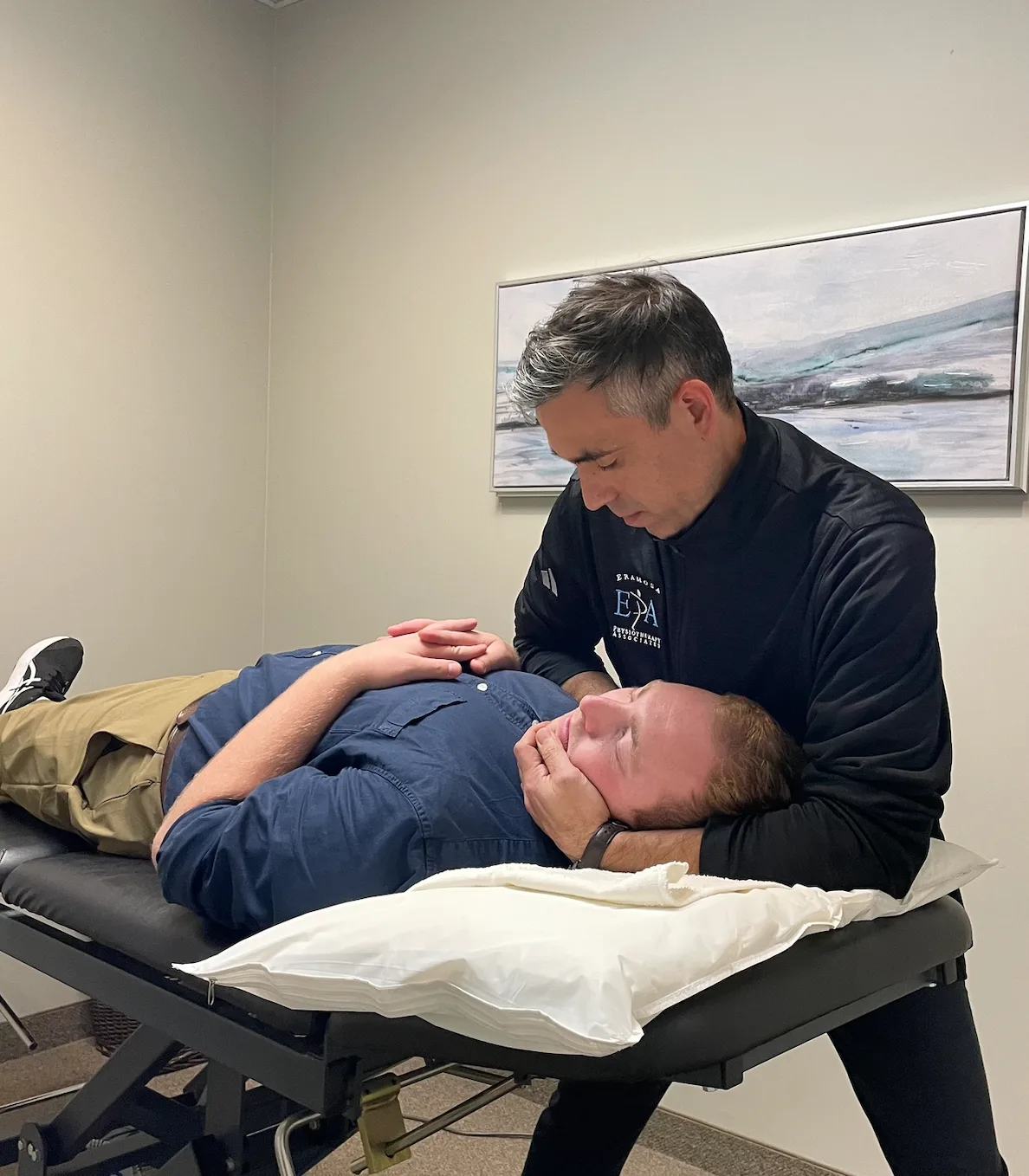
Our physiotherapists conduct an in-depth assessment to determine the cause of your symptoms and develop a safe, individualized treatment program that may include:
- Manoeuvres to correct the location of crystals within the inner ear
- Specific exercises to help the brain reduce symptoms triggered by movement
- Vision therapy to improve your eyes’ ability to focus while your head is moving
- Balance training
Recovery Timeline
Most people see a steady reduction in dizziness and improved balance with vestibular rehabilitation, and your physiotherapist will outline a realistic timeline based on your specific diagnosis at your first assessment. Your commitment is typically 2–3 visits a week for 20–30 minutes, along with progressive in-clinic and home exercises.
When to seek further care
Most dizziness and balance problems respond well to vestibular rehabilitation, but sudden, severe dizziness — especially with symptoms like double vision, slurred speech, weakness, or numbness — needs urgent medical assessment to rule out other causes. If your symptoms aren’t improving as expected, or the cause of your dizziness isn’t clear, we will work with you and your family doctor to arrange further assessment.
Ready to Get Started?
Schedule Appointment
Book directly with the clinic and physiotherapist of your choice.
Related Articles
No posts found.
Try adjusting your query parameters.
What Our Patients Are Saying
What our patients are saying
Trusted by 2,000+ patients annually for over 30 years.
Frequently Asked Questions
Get your questions answered
Common questions about vestibular rehabilitation and physiotherapy. Still have questions? We’re happy to help.
No. Physiotherapists in Ontario are primary care providers, so you can book an assessment directly. Direct billing to most major insurers is also available at our clinics.
Dizziness is a broad term that can include unsteadiness, wooziness, light-headedness, or a sense of spinning, floating, swaying, or tilting. Vertigo refers specifically to that spinning or whirling sensation. Both can come from problems in the inner ear, vision, or the joints and muscles that feed your brain position information.
BPPV (Benign Paroxysmal Positional Vertigo) is one of the most common causes of vertigo, triggered by changes in head position like rolling over in bed or looking up. It’s treated with specific manoeuvres that reposition crystals within the inner ear, often with noticeable improvement in just a few sessions.
It depends on your diagnosis and how long you’ve had symptoms. Your physiotherapist will outline a realistic timeline at your first assessment, and most people see a steady reduction in dizziness as treatment progresses.
Most dizziness responds well to vestibular rehabilitation, but sudden, severe dizziness with symptoms like double vision, slurred speech, weakness, or numbness needs urgent medical assessment. If anything like this comes up, or your diagnosis isn’t clear, we’ll help coordinate that care.
Related conditions
You may also be dealing with
Ready to get started?
Your Recovery Begins Here
.
No Referral Needed.