
Toileting Support in Guelph
Occupational therapy to help children build toileting independence, at their own pace. No referral is needed to book.
. No Referral Needed.
Convenient billing available with most major insurers











If you don’t see your provider listed, give us a call to confirm. Learn more about convenient billing.
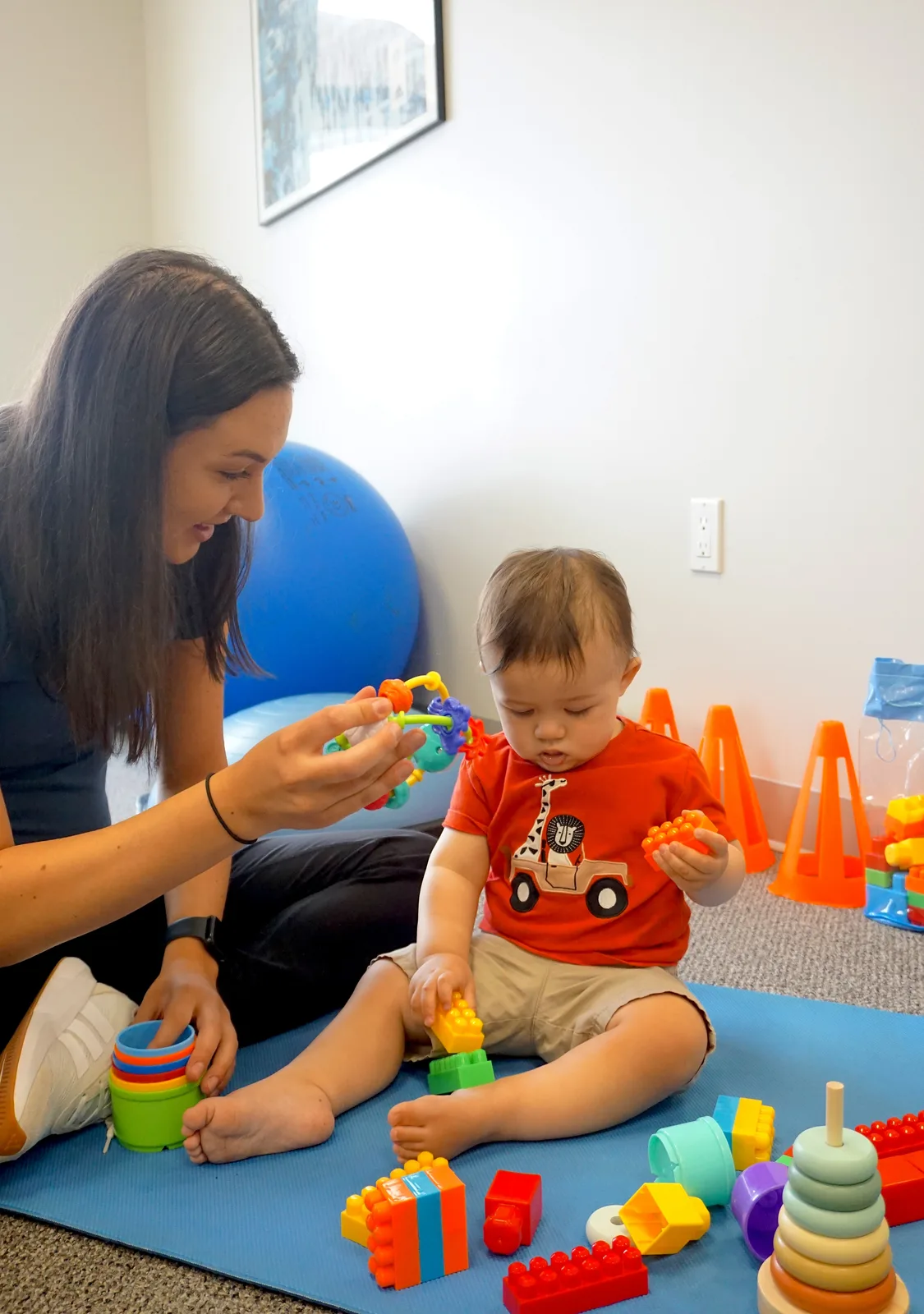
Occupational therapy to help children build toileting independence, at their own pace. No referral is needed to book.
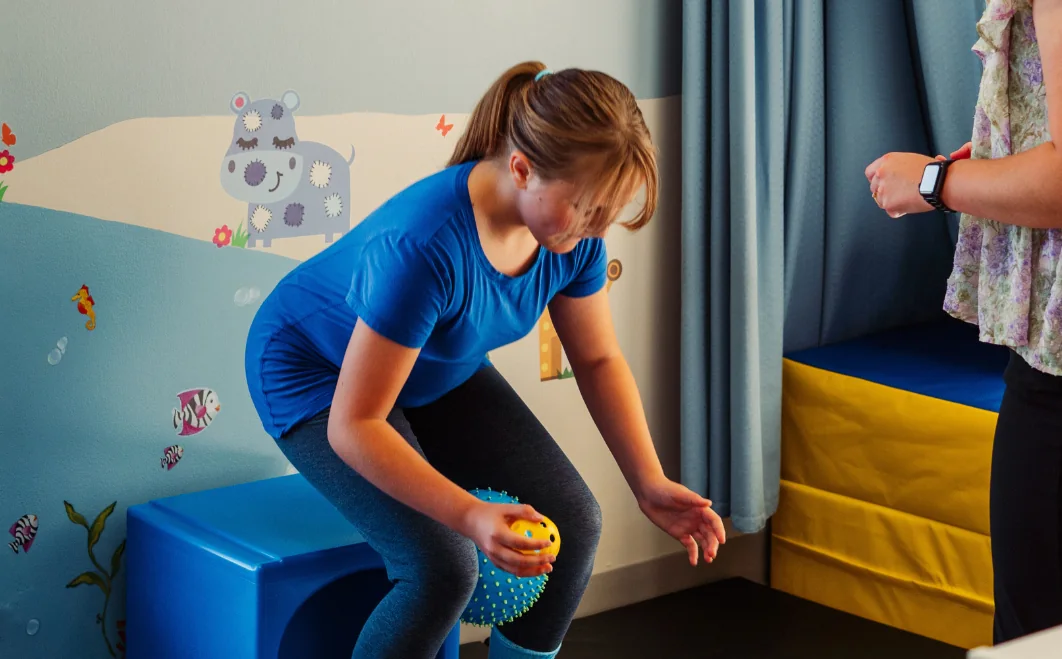
Toileting is a developmental milestone most children reach in their own time, but for kids with cognitive, developmental, or physical needs, it can be delayed — and it isn’t always obvious how to help. Occupational therapy takes a holistic, individualized approach, combining practical strategies, adaptive equipment, and caregiver support to meet your child’s specific needs.
Assessment
Your occupational therapist evaluates:
- Functional ability — your child’s current level of toileting independence, and any developmental, physical, cognitive, or environmental barriers
- The bathroom environment — safety, accessibility, and whether your child’s sensory needs or equipment requirements are being met
Building a plan
Support typically combines:
- A personalized toileting plan and routine, built around your child’s needs, abilities, and goals
- Skills training across physical, cognitive, motor, and interoceptive skills — helping your child recognize their body’s cues
- Adaptive equipment — raised toilet seats, grab bars, or toilet frames, recommended and customized to your child’s needs
- Environmental modifications — bathroom or broader home changes that improve accessibility, such as grab bars, non-slip mats, or adjusting toilet height
- Behavioural strategies — positive reinforcement and gentle prompting and cueing at regular intervals
- Sensory strategies — addressing sensitivities that affect toileting, like the feel of toilet paper or the sound of flushing, along with calming techniques for kids who feel anxious about the bathroom
- Caregiver education — practical guidance and ongoing support for parents managing sensory needs, skill-building, and any adaptive equipment
What to expect from your EPA for Kids occupational therapy experience
Path to Improved Health is the framework every Eramosa patient follows. We’ve used it to guide assessment, treatment, and recovery since 1997 — and it’s how we make sure nothing about your child’s care is left to chance.
Assessment
Your occupational therapist evaluates your child’s current toileting independence and any developmental, physical, cognitive, or environmental barriers, along with the bathroom setup itself.
A personalized plan
Your therapist builds a toileting plan and routine around your child’s needs, combining skills training, adaptive equipment, and behavioural or sensory strategies as needed.
Ongoing caregiver support
We provide practical training and ongoing support so you can confidently continue the plan at home.
Ready to Get Started?
Schedule Appointment
Book directly with the clinic and physiotherapist of your choice.
Related Articles
No posts found.
Try adjusting your query parameters.
What Our Patients Are Saying
What our patients are saying
Trusted by 2,000+ patients annually for over 30 years.
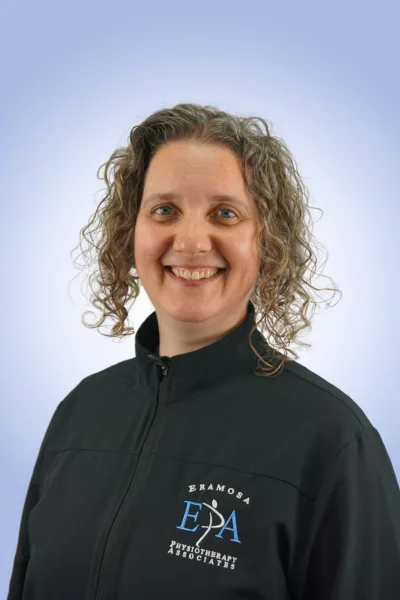
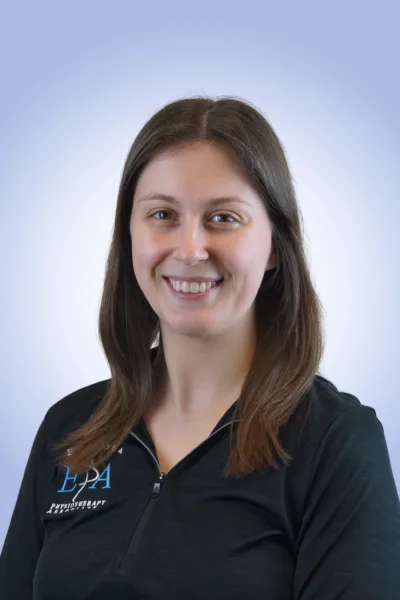
Meet our EPA for Kids Team








Frequently Asked Questions
Get your questions answered
Common questions about toileting support at EPA. Still have questions?
No. You can book an occupational therapy assessment for your child directly with our clinic. Direct billing to most major insurers is also available.
Yes. Sensory sensitivities and anxiety around toileting — the feel of toilet paper, the sound of flushing, and similar triggers — are a common part of what we assess and address, alongside skill-building.
Where it helps, yes — things like raised toilet seats, grab bars, or toilet frames, customized to your child’s needs. Recommendations are always specific to what your child and bathroom actually require.
That’s exactly the kind of situation this support is built for. Your therapist assesses the specific developmental, physical, and cognitive factors involved and builds a plan around them.
It varies by child and by what’s contributing to the delay. Your therapist builds a personalized routine and tracks progress, adjusting the plan as your child’s skills develop.
Related Services
Other ways we can help
Ready to get started?
Your Recovery Begins Here
.
No Referral Needed.