Child and Youth Pelvic Health Physiotherapy in Guelph
Support for bathroom accidents, bedwetting, constipation, and other bladder and bowel concerns in children — without an internal exam. No referral is needed to book.
. No Referral Needed.
Convenient billing available with most major insurers






If you don’t see your provider listed, give us a call to confirm. Learn more about convenient billing.
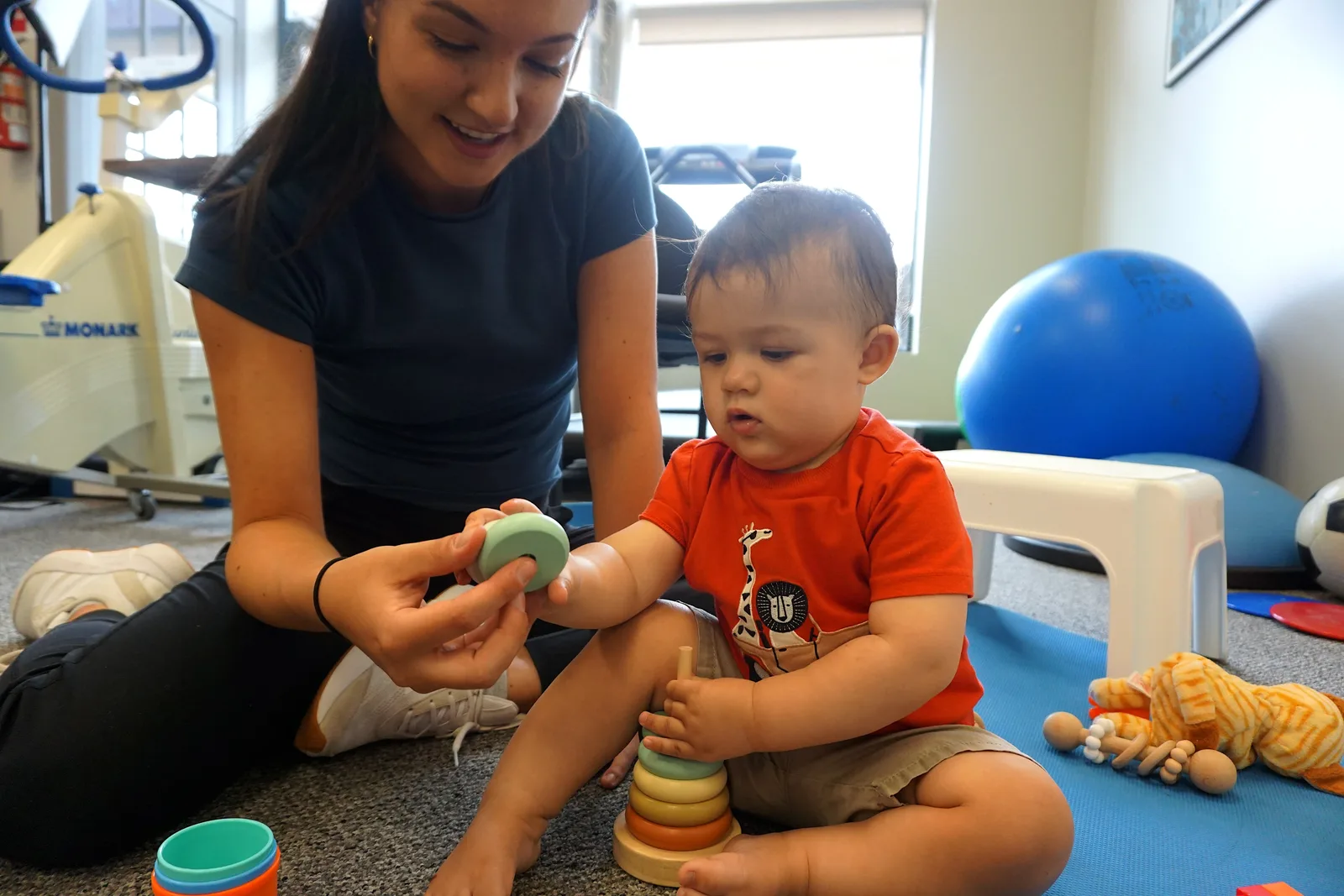
Support for bathroom accidents, bedwetting, constipation, and other bladder and bowel concerns in children — without an internal exam. No referral is needed to book.
Child pelvic health concerns are common, yet not often talked about. “Bathroom accidents” — leaking urine or stool during the day, or bedwetting at night — can be stressful for the whole family. Late-night sheet changes, extra laundry, and planning around accidents are exhausting and inconvenient, but what worries parents most is how these struggles affect their child’s confidence, self-esteem, and ability to keep up with friends.
Parents often wonder: will my child’s friends notice? Are they avoiding activities because they might have an accident? Are they being teased? Some parents even worry they’ve somehow caused their child’s bowel and bladder difficulties — they haven’t.
While child pelvic health conditions are common, they are not normal, and help is available. Child and youth pelvic health physiotherapy can help your family regain control and confidence.
Conditions we treat
When children over the age of 5 are struggling to control urine or stool, they may be diagnosed with a number of conditions, including:
- Bedwetting (nocturnal enuresis)
- Daytime wetting (diurnal enuresis)
- Giggle incontinence
- Dysfunctional voiding (voiding postponement, increased voiding frequency)
- Constipation
- Fecal incontinence (encopresis)
Common causes of child pelvic health conditions
Many things can contribute to these conditions, including:
- Constipation — hard, lumpy, or painful bowel movements can lead to leaking stool, and can push into the bladder, contributing to bedwetting and other bladder difficulties
- Toilet avoidance — ignoring the urge to go (from pain, fear, or distraction) can worsen constipation and lead to an overactive bladder or difficulty fully emptying it
- Tight pelvic floor muscles — difficulty relaxing or coordinating these muscles can leave urine behind, raising the risk of urinary tract infections
- Weak pelvic floor muscles — when these muscles can’t resist the forces of running, jumping, laughing, or sneezing, urine or stool can leak out
How we treat child pelvic health conditions
Unlike traditional pelvic health physiotherapy, child pelvic health physiotherapy does not involve an internal exam. A parent or guardian is always encouraged to be present during assessment and treatment.
- A thorough history — your child’s medical, family, and developmental history, plus any tests or treatments already tried
- A physical exam — external joint mobility, muscle length and strength, and, with consent, assessment of the external pelvic floor muscles through biofeedback
- Education — helping your family understand pelvic anatomy and function, proper toileting positions, foods and drinks that may irritate the bladder or worsen constipation, and strategies to prevent toilet avoidance
- Manual therapy — external abdominal massage techniques and work on the joints and muscles that support pelvic floor function
- Exercise therapy — biofeedback and biofeedback games that make learning to contract and relax the pelvic floor muscles more engaging for kids
- Behaviour modification — using food and fluid diaries or bladder and bowel logs to guide a toileting schedule, and short-term strategies for bedwetting where needed
- Team-based care — working with your family doctor, pediatrician, or other providers as part of a complete plan
What to expect from your Eramosa physiotherapy experience
Path to Improved Health is the framework every Eramosa patient follows. We’ve used it to guide assessment, treatment, and recovery since 1997 — and it’s how we make sure nothing about your child’s care is left to chance.
Assessment and accurate diagnosis
Your physiotherapist takes a thorough history and conducts a physical exam. No internal exam is involved — with consent, assessment of the external pelvic floor may include biofeedback.
Treatment that targets the cause
Your plan may combine education, manual therapy, biofeedback-based exercise, and behaviour strategies, built around your family’s routine and your child’s comfort.
A path to confidence
Families are typically seen over 2–3 months, often 1–2 visits a week at first, progressing to visits every 1–3 weeks, for an average of 8–10 visits in total. Sessions run about 40 minutes and can be scheduled around school and work.
Ready to Get Started?
Schedule Appointment
Book directly with the clinic and physiotherapist of your choice.
Related Articles
No posts found.
Try adjusting your query parameters.
What Our Patients Are Saying
What our patients are saying
Trusted by 2,000+ patients annually for over 30 years.
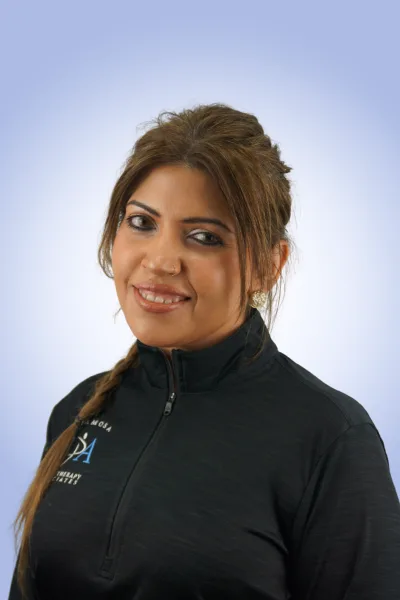
Meet our EPA for Kids Team







Frequently Asked Questions
Get your questions answered
Common questions about child and youth pelvic health physiotherapy at EPA. Still have questions?
No. Physiotherapists in Ontario are primary care providers, so you can book an assessment for your child directly. Direct billing to most major insurers is also available at our clinics.
No. Child pelvic health physiotherapy does not involve an internal exam. A parent or guardian is always welcome to be present during assessment and treatment.
Every child is different, but families are typically seen over 2–3 months, beginning with 1–2 visits a week and progressing to visits every 1–3 weeks, for an average of 8–10 visits in total. Sessions run about 40 minutes.
These conditions are common, but they aren’t something your child will necessarily just grow out of on their own timeline, and they aren’t caused by anything you did as a parent. Help is available, and earlier support often means a shorter path to confidence.
We typically see children from around age 5 onward, once they’re expected to have more bladder and bowel control. If you’re not sure whether your child’s concern fits, reach out and we can help you figure out the next step.
Related Services
Other ways we can help
Ready to get started?
Your Recovery Begins Here
.
No Referral Needed.