
Picky Eating Support in Guelph
Occupational therapy support for children who are picky eaters — addressing the sensory, physical, and behavioural sides of mealtime. No referral is needed to book.
. No Referral Needed.
Convenient billing available with most major insurers











If you don’t see your provider listed, give us a call to confirm. Learn more about convenient billing.
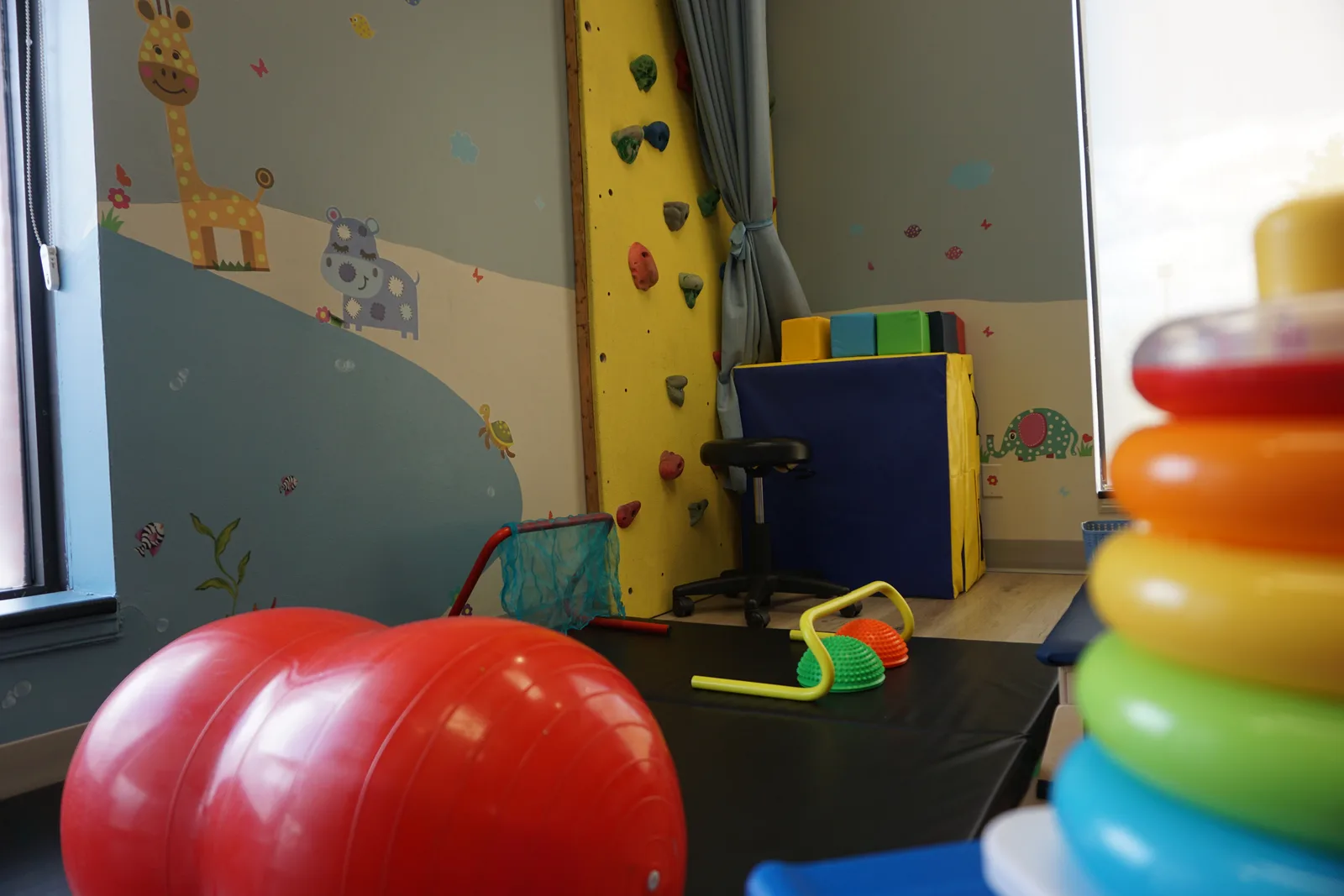
Occupational therapy support for children who are picky eaters — addressing the sensory, physical, and behavioural sides of mealtime. No referral is needed to book.
Pediatric occupational therapists can play a crucial role in helping children who are picky eaters, using a multifaceted approach that addresses the physical, sensory, emotional, and psychological sides of eating.
Food jags are common in the preschool years, but a child may be considered a “picky” eater if they have difficulty eating a variety of foods typical of the family’s diet — omitting entire food groups, or restricted to particular tastes or textures. When that’s the case, further evaluation is worth considering.
How we help
Our occupational therapist conducts a thorough assessment to identify what’s contributing to picky eating — sensory processing difficulties, oral-motor challenges, behavioural factors, or medical issues like reflux or allergies — then may draw on:
- Sensory integration — gradually introducing different textures and flavours in a controlled, supportive way, for kids who find certain textures, smells, or tastes overwhelming
- Oral-motor skills development — exercises and activities that build the jaw strength, tongue movement, and coordination involved in chewing
- Behavioural strategies — structured routines and gradual exposure to new foods, often developed together with parents
- Food play and exploration — food art, sensory bins, or cooking together, to make new foods feel less intimidating and more fun
- Parental guidance and education — practical advice on introducing new foods, managing mealtime behaviours, and building a positive eating environment at home
- A collaborative approach — working alongside speech therapists, dietitians, pediatricians, lactation consultants, and family doctors when a child’s needs call for it
What to expect from your EPA for Kids occupational therapy experience
Path to Improved Health is the framework every Eramosa patient follows. We’ve used it to guide assessment, treatment, and recovery since 1997 — and it’s how we make sure nothing about your child’s care is left to chance.
Assessment of underlying issues
Your occupational therapist identifies what’s contributing to picky eating — sensory, oral-motor, behavioural, or medical factors — before building a plan.
A multifaceted plan
Support may combine sensory strategies, oral-motor exercises, behavioural approaches, and food play, tailored to your child.
Support for the whole family
We work with parents on mealtime routines and, where needed, collaborate with other providers like dietitians or pediatricians for a complete approach.
Ready to Get Started?
Schedule Appointment
Book directly with the clinic and physiotherapist of your choice.
Related Articles
No posts found.
Try adjusting your query parameters.
What Our Patients Are Saying
What our patients are saying
Trusted by 2,000+ patients annually for over 30 years.
Meet our EPA for Kids Team










Frequently Asked Questions
Get your questions answered
Common questions about picky eating support at EPA. Still have questions?
No. You can book an occupational therapy assessment for your child directly with our clinic. Direct billing to most major insurers is also available.
Food jags are common in the preschool years. It’s worth a closer look if your child is omitting entire food groups or is restricted to very particular tastes or textures — that’s when an assessment can help identify what’s going on.
No. We use gradual, supportive approaches — food play, controlled exposure to new textures, and positive routines — rather than pressuring a child to eat something they’re not ready for.
It’s possible — reflux or allergies can play a role. Assessment looks at sensory, oral-motor, behavioural, and medical contributors, and we’ll involve other providers, like your family doctor, if something medical needs following up.
Often, yes. Depending on your child’s needs, we may collaborate with speech therapists, dietitians, pediatricians, lactation consultants, or family doctors for a complete, coordinated approach.
Related Services
Other ways we can help


Ready to get started?
Your Recovery Begins Here
.
No Referral Needed.