Gross Motor Development Physiotherapy in Guelph
Physiotherapy support for children with gross motor delays or difficulties — helping them move, play, and keep up with their peers. No referral is needed to book.
. No Referral Needed.
Convenient billing available with most major insurers





If you don’t see your provider listed, give us a call to confirm. Learn more about convenient billing.
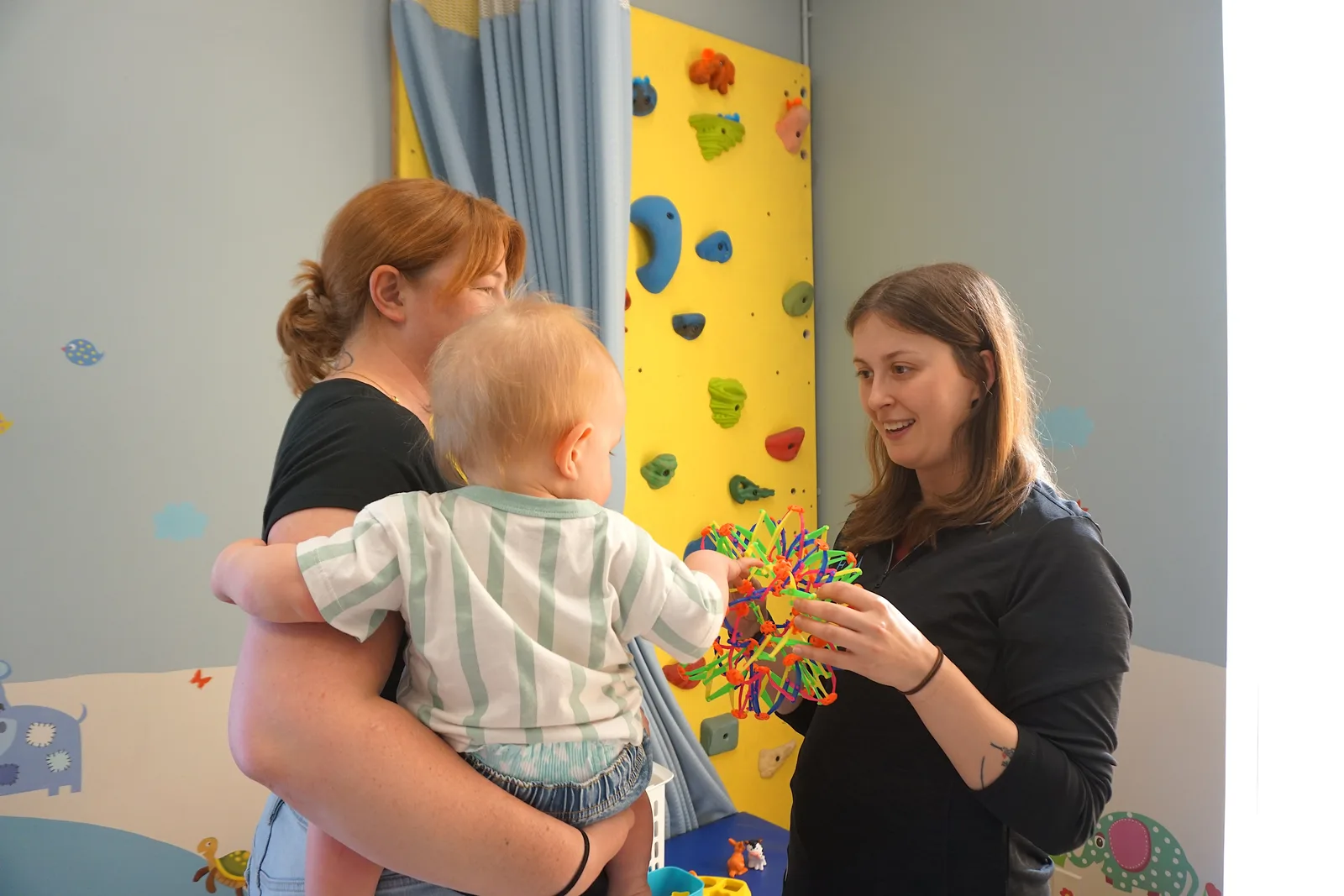
Physiotherapy support for children with gross motor delays or difficulties — helping them move, play, and keep up with their peers. No referral is needed to book.
Physiotherapists play a crucial role in assessing, diagnosing, and treating children with gross motor developmental delays or disabilities, using a range of techniques to help improve a child’s movement, coordination, and function.
Assessment and diagnosis
Your physiotherapist evaluates:
- Developmental milestones — whether your child is meeting age-appropriate motor milestones
- Movement patterns — how your child moves, to identify any abnormalities or delays
- Functional abilities — how well your child performs daily activities, and where limitations show up
Intervention and treatment
Treatment may include:
- Therapeutic exercises tailored to strengthen specific muscle groups and improve coordination and balance
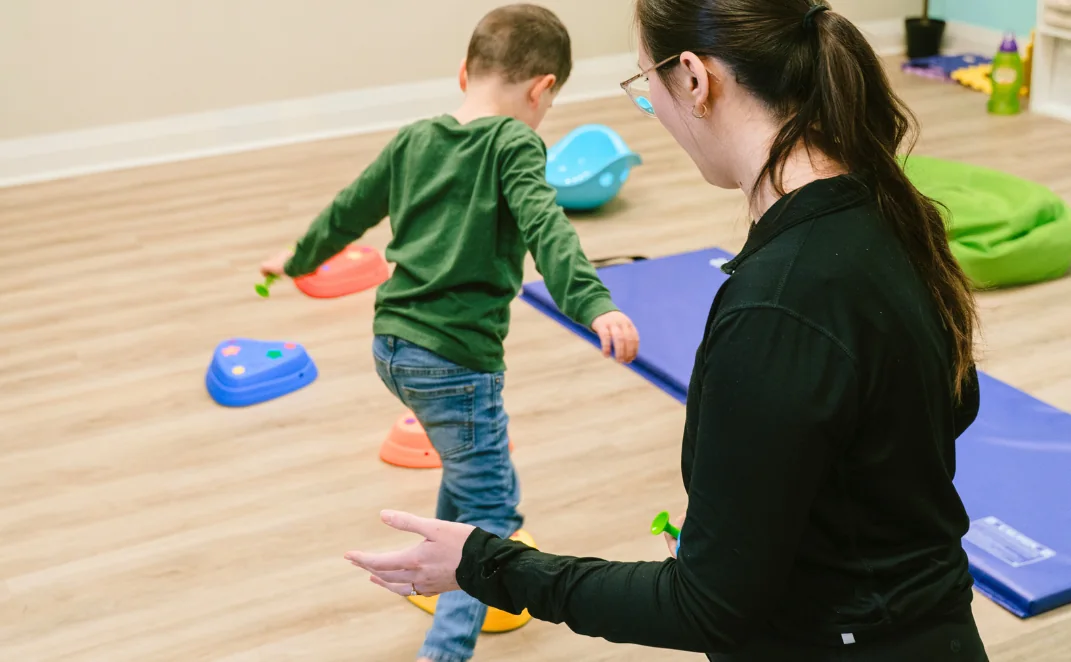
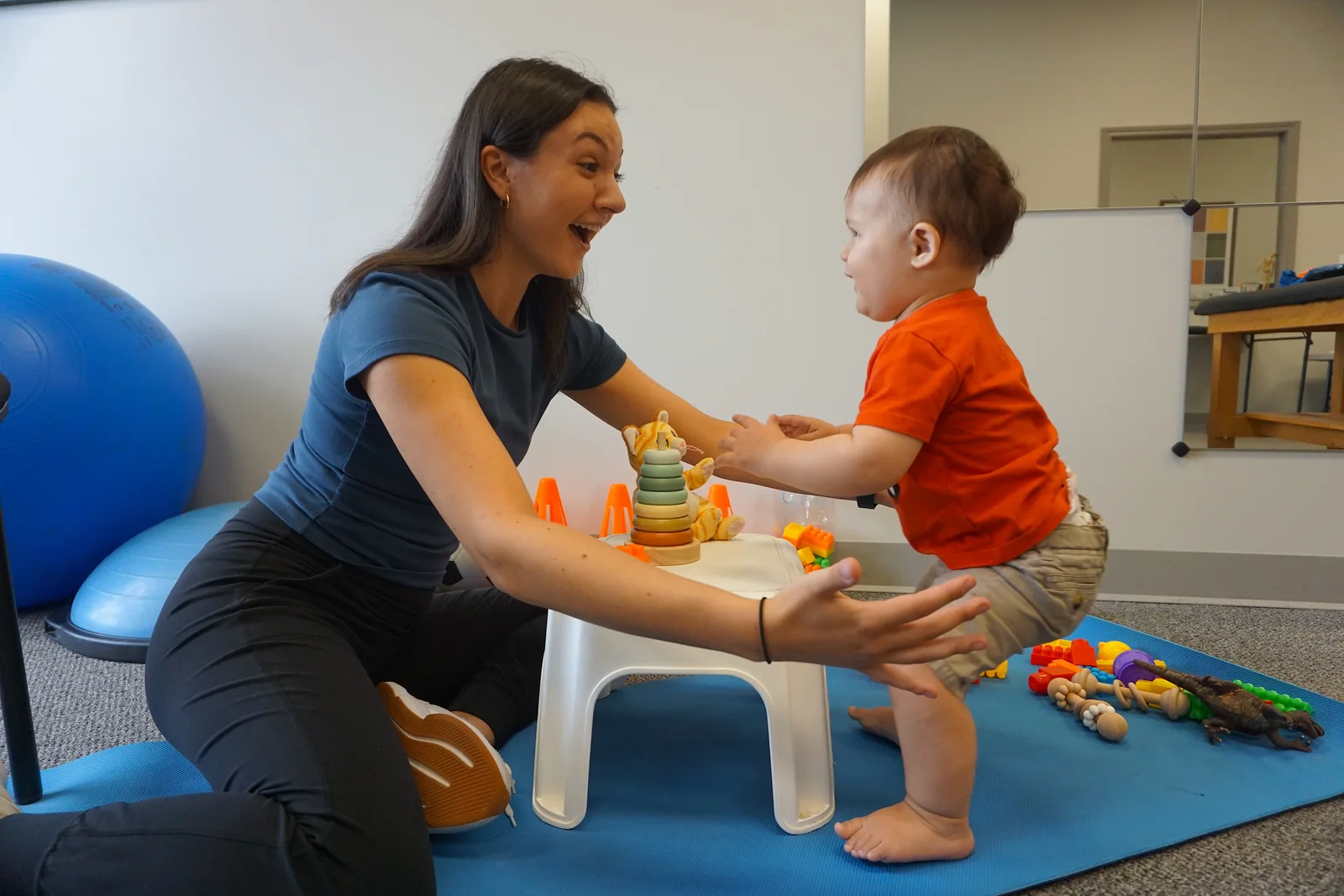
- Play-based therapy that builds gross motor skills while keeping sessions enjoyable and effective
- Manual therapy — hands-on techniques to improve joint mobility and muscle flexibility
- Balance and coordination training
- Gait training to help your child develop proper walking patterns
- Postural control exercises to improve the ability to maintain an upright posture
Education and support
We educate parents on how to support gross motor development at home, including specific exercises and activities, and recommend adaptive equipment — braces or walkers, for example — where it helps with mobility and independence. When a concern falls outside physiotherapy’s scope, such as feeding therapy, we’ll refer your family to the right provider.
What to expect from your Eramosa physiotherapy experience
Path to Improved Health is the framework every Eramosa patient follows. We’ve used it to guide assessment, treatment, and recovery since 1997 — and it’s how we make sure nothing about your child’s care is left to chance.
Assessment and accurate diagnosis
Your physiotherapist evaluates your child’s developmental milestones, movement patterns, and functional abilities to understand where support is needed.
Treatment built around your child
Your plan may combine therapeutic exercise, play-based therapy, manual therapy, and balance, gait, or postural training, tailored to your child’s needs.
Progress that adjusts as your child grows
Your physiotherapist tracks your child’s progress and adjusts the plan over time, working with other healthcare providers, like pediatricians or occupational therapists, when it supports your child’s development.
Ready to Get Started?
Schedule Appointment
Book directly with the clinic and physiotherapist of your choice.
Related Articles
No posts found.
Try adjusting your query parameters.
What Our Patients Are Saying
What our patients are saying
Trusted by 2,000+ patients annually for over 30 years.
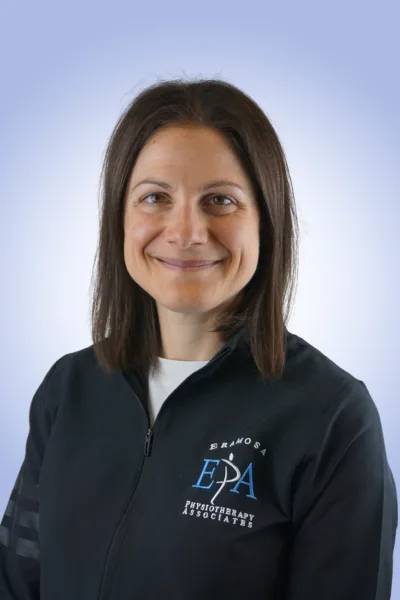
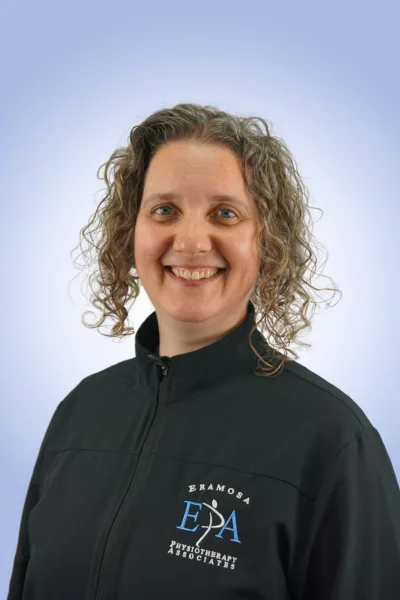
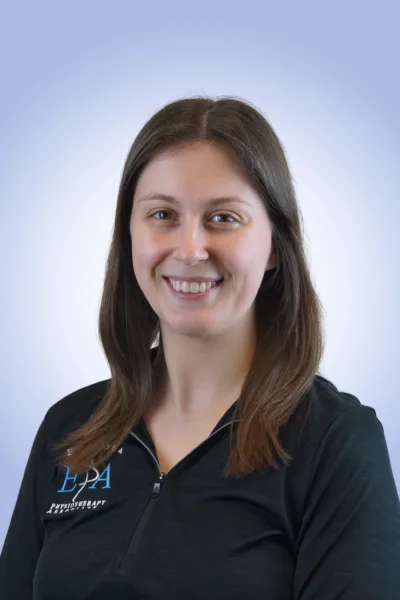
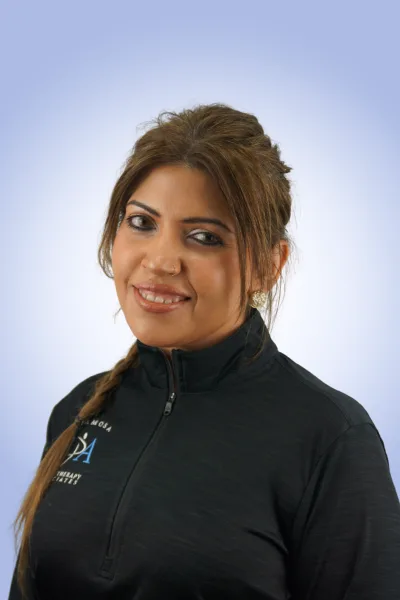
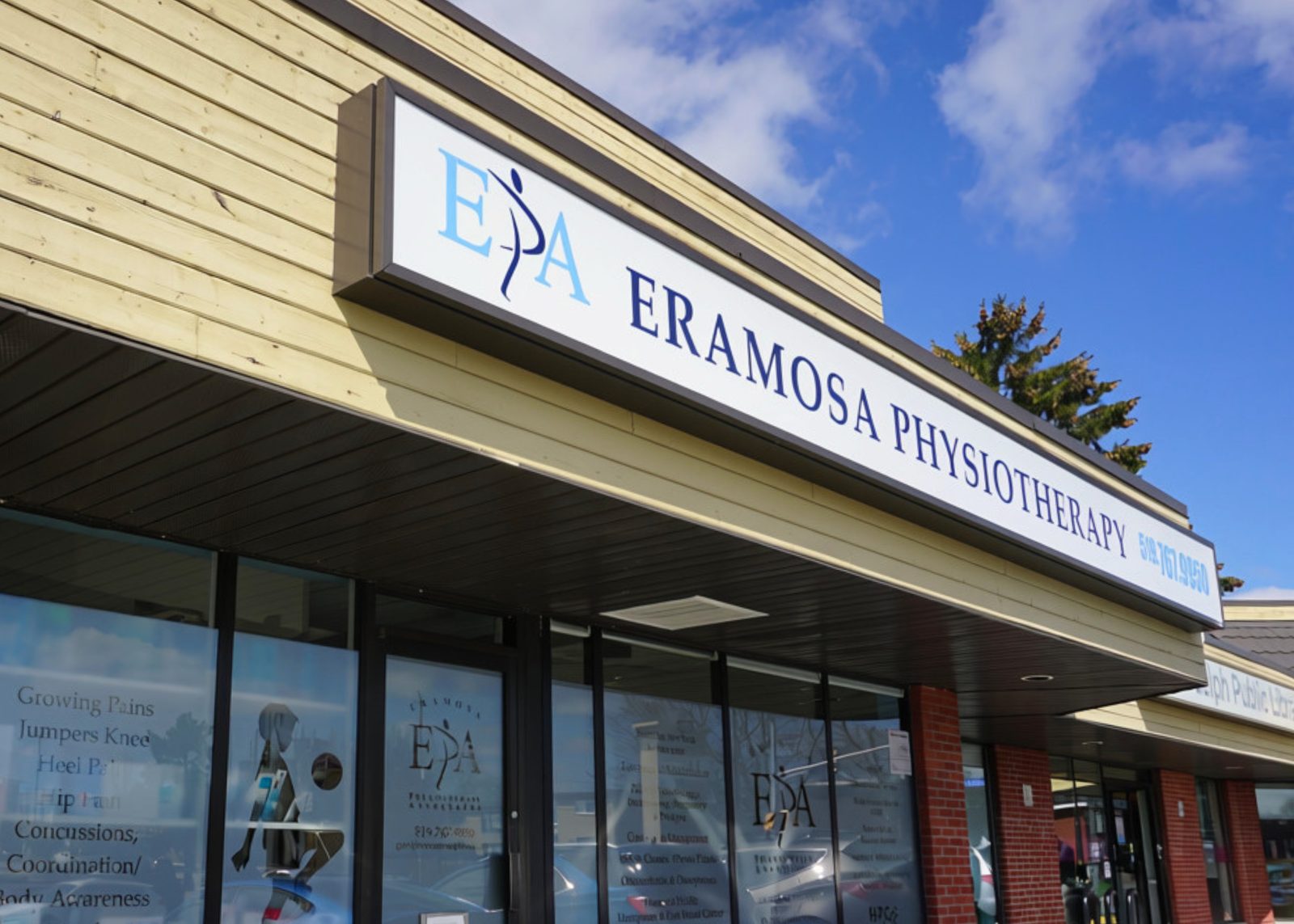
Meet our EPA for Kids Team




Frequently Asked Questions
Get your questions answered
Common questions about gross motor development physiotherapy at EPA. Still have questions?
No. Physiotherapists in Ontario are primary care providers, so you can book an assessment for your child directly. Direct billing to most major insurers is also available at our clinics.
Gross motor delays show up as difficulty meeting age-appropriate movement milestones — things like sitting, crawling, walking, running, or jumping — or a movement pattern that looks different than expected. Your assessment will help clarify what’s going on for your child specifically.
Play-based therapy is a deliberate treatment approach — sessions are built around activities like climbing, jumping, and obstacle courses that target the specific gross motor skills your child needs to build, while keeping therapy engaging for kids.
Only if it would help. Adaptive equipment is recommended when it supports a child’s mobility and independence, and any recommendation is discussed with your family first.
We’ll let you know. If a concern falls outside physiotherapy’s scope — feeding difficulties, for example — we’ll refer your family to the right provider, and EPA can often make that connection directly.
Related Services
Other ways we can help
Ready to get started?
Your Recovery Begins Here
.
No Referral Needed.