Developmental Coordination Disorder Physiotherapy in Guelph
Physiotherapy support for children with Developmental Coordination Disorder (DCD) — building motor skills, confidence, and independence. No referral is needed to book.
. No Referral Needed.
Convenient billing available with most major insurers






If you don’t see your provider listed, give us a call to confirm. Learn more about convenient billing.
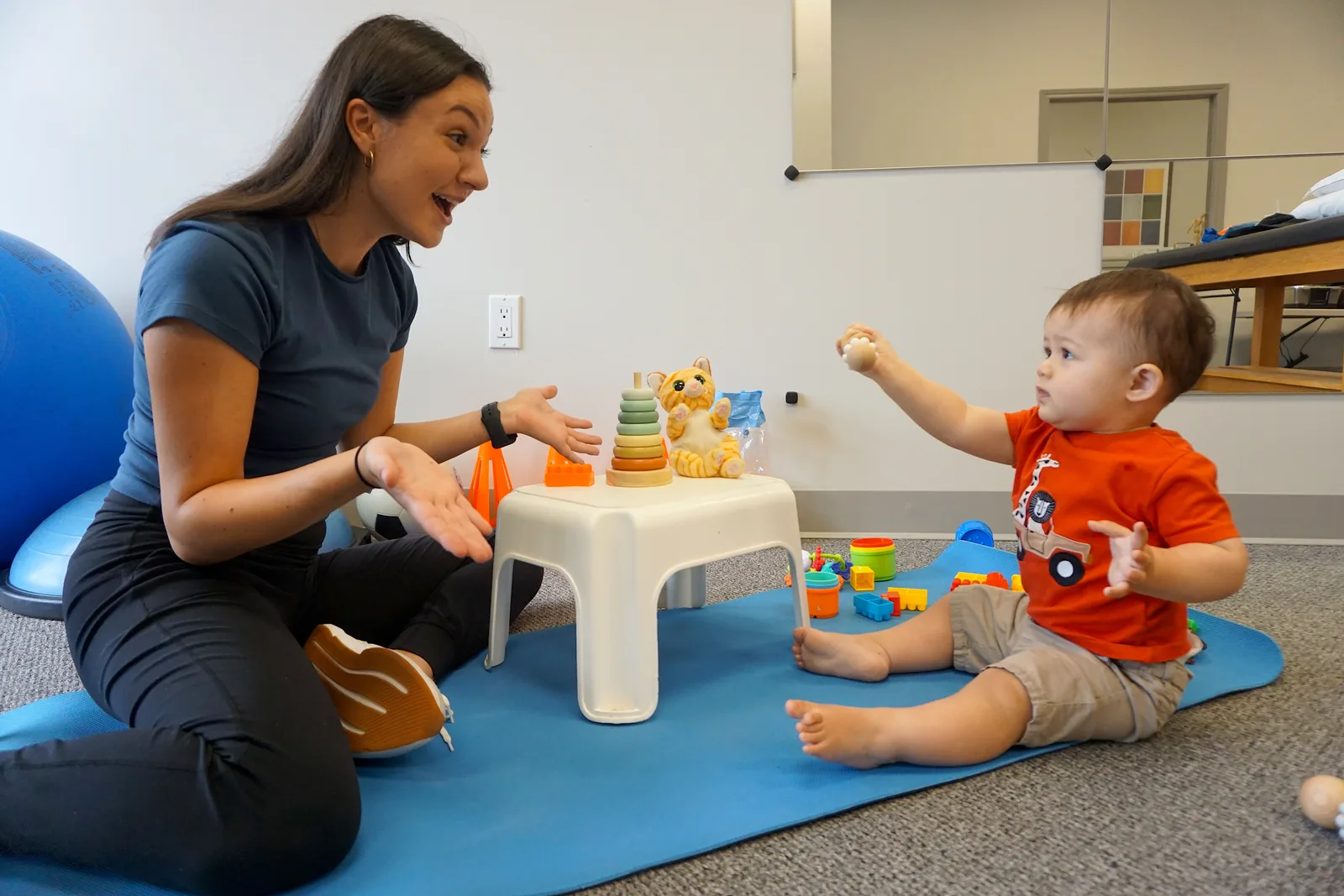
Physiotherapy support for children with Developmental Coordination Disorder (DCD) — building motor skills, confidence, and independence. No referral is needed to book.
Developmental Coordination Disorder (DCD), also known as dyspraxia, is a chronic neurological condition involving difficulty acquiring and executing coordinated motor skills. It’s not due to a general medical condition like cerebral palsy or muscular dystrophy, but it can significantly affect daily activities and school performance — things like tying shoelaces, writing, riding a bike, or playing sports.
Physiotherapists are integral to assessing and managing DCD, using evidence-based interventions to improve motor skills, build functional ability, and support your child’s overall development.
Common characteristics of DCD
Signs of DCD can include:
- Significant delays reaching motor milestones or performing age-appropriate tasks
- Frequent clumsiness — tripping, dropping objects, bumping into things
- Difficulty with fine motor skills — hand-eye coordination tasks like writing, cutting, or buttoning clothes
- Slow or illegible handwriting due to fine motor control challenges
- Difficulty learning and retaining new motor skills or sequences
- Problems with both gross and fine motor coordination
- Meaningful impact on daily activities, play, or sports participation
How we assess and treat DCD
Your physiotherapist’s approach may include:
- Motor skills evaluation and functional assessment — identifying specific deficits and how they affect daily activities and school or play participation
- Motor skill training — tailored exercises for balance and coordination, using activities like balance beams, obstacle courses, and jumping tasks
- Task-oriented interventions — meaningful activities like playing catch, jumping, or balancing on one foot that build motor skills directly
- Strength and conditioning — exercises to build muscle strength, endurance, and overall fitness
- Gross and fine motor skill development — running, jumping, climbing, and throwing alongside bead threading, puzzles, and arts and crafts
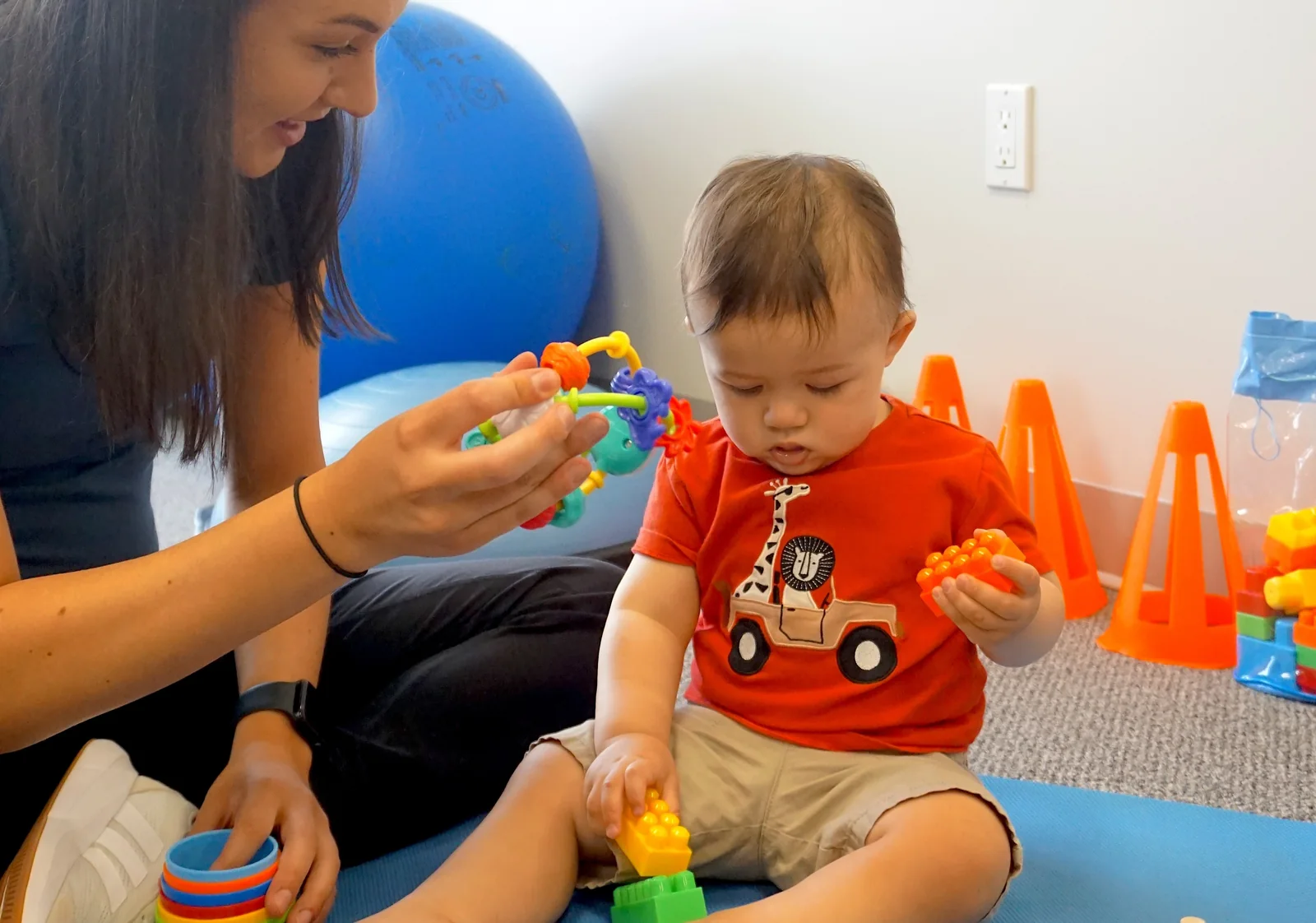
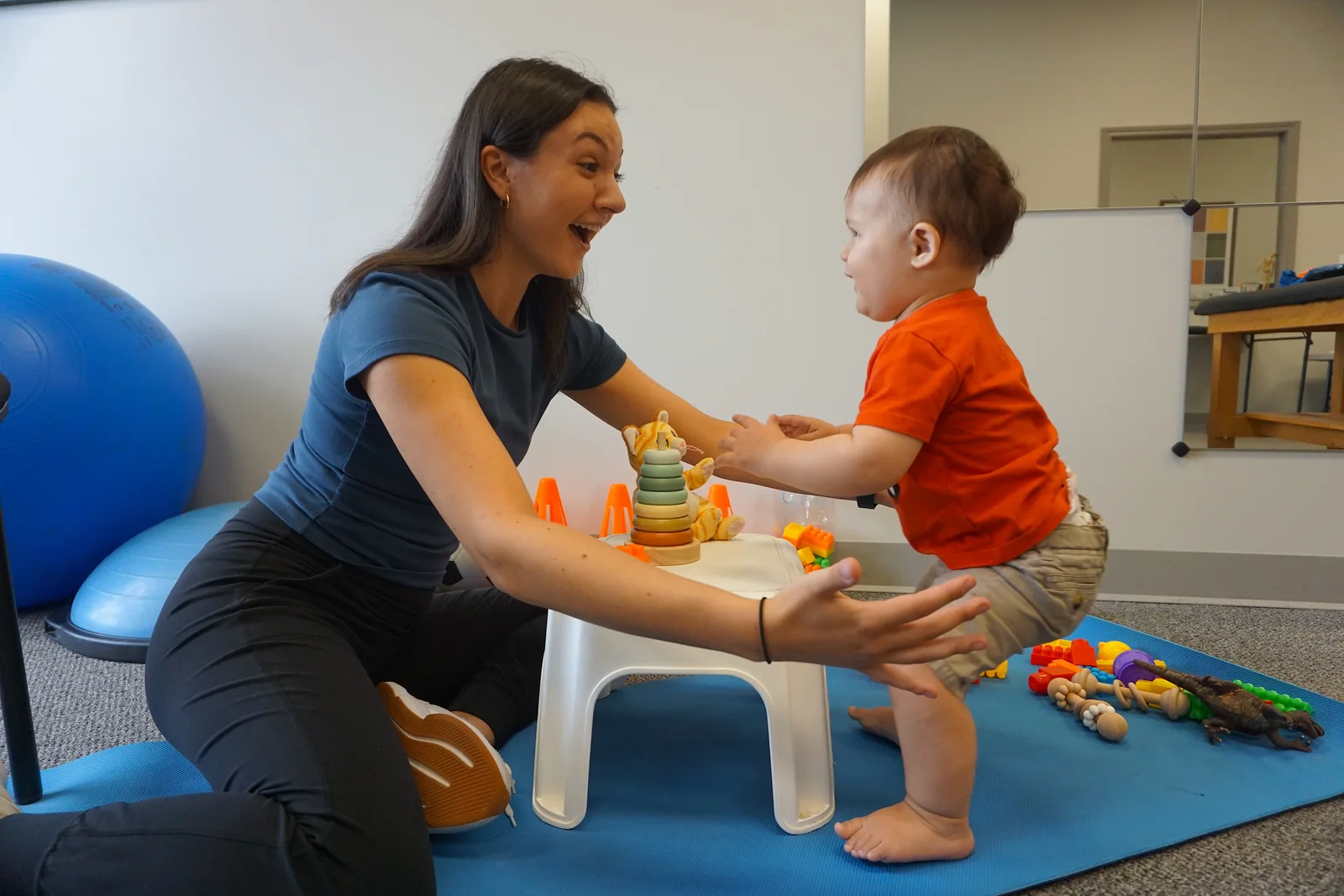
- Functional, play-based therapy that keeps sessions engaging while targeting motor goals
Education, support, and collaborative care
We work with parents to teach strategies that support motor development at home, including play activities and daily routines, and collaborate with schools to create an accommodating environment. We also coordinate with other providers, such as occupational therapists and speech therapists, for a holistic approach, and track your child’s progress with regular follow-ups, adjusting the plan as needed.
What to expect from your Eramosa physiotherapy experience
Path to Improved Health is the framework every Eramosa patient follows. We’ve used it to guide assessment, treatment, and recovery since 1997 — and it’s how we make sure nothing about your child’s care is left to chance.
Motor skills evaluation
Your physiotherapist conducts a detailed assessment of your child’s motor skills and how coordination difficulties affect daily activities, school, and play.
Task-oriented treatment
Treatment combines motor skill training, task-oriented activities, and strength and conditioning exercises, kept engaging through functional, play-based therapy.
Progress that adjusts as your child grows
Your physiotherapist tracks progress with regular follow-ups and coordinates with other providers, like occupational or speech therapists, for complete care.
Ready to Get Started?
Schedule Appointment
Book directly with the clinic and physiotherapist of your choice.
Related Articles
No posts found.
Try adjusting your query parameters.
What Our Patients Are Saying
What our patients are saying
Trusted by 2,000+ patients annually for over 30 years.
Meet our EPA for Kids Team

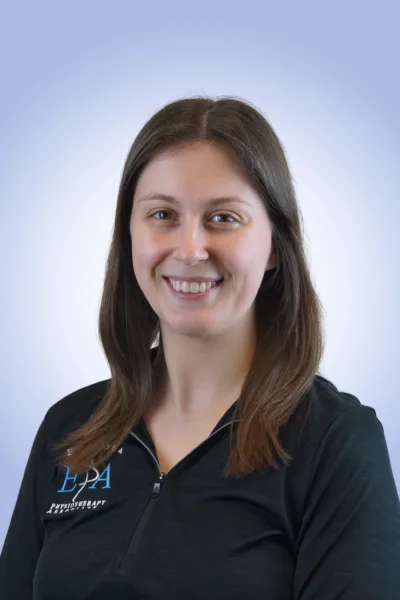


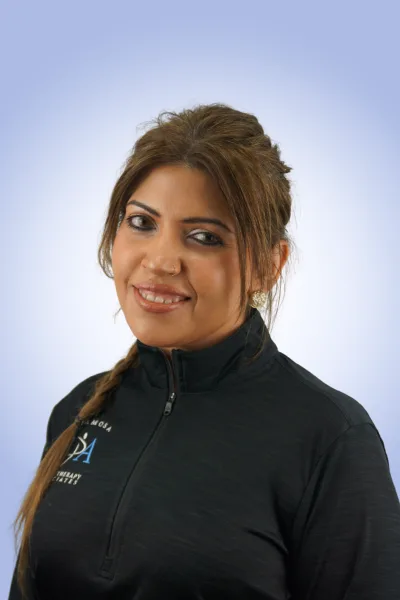
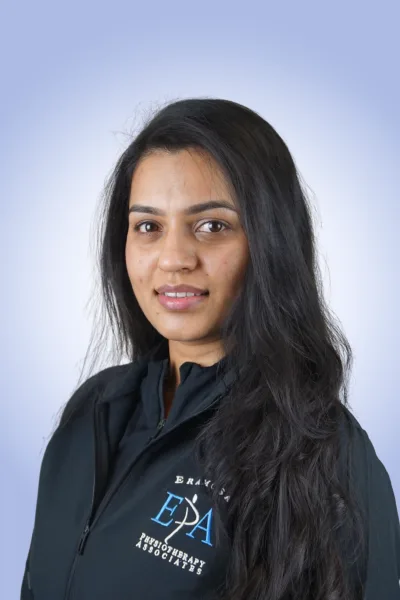
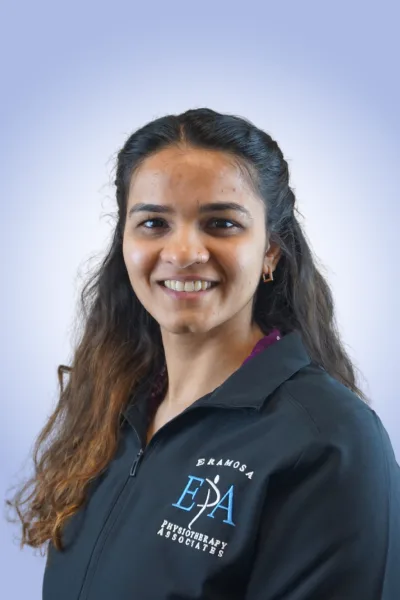
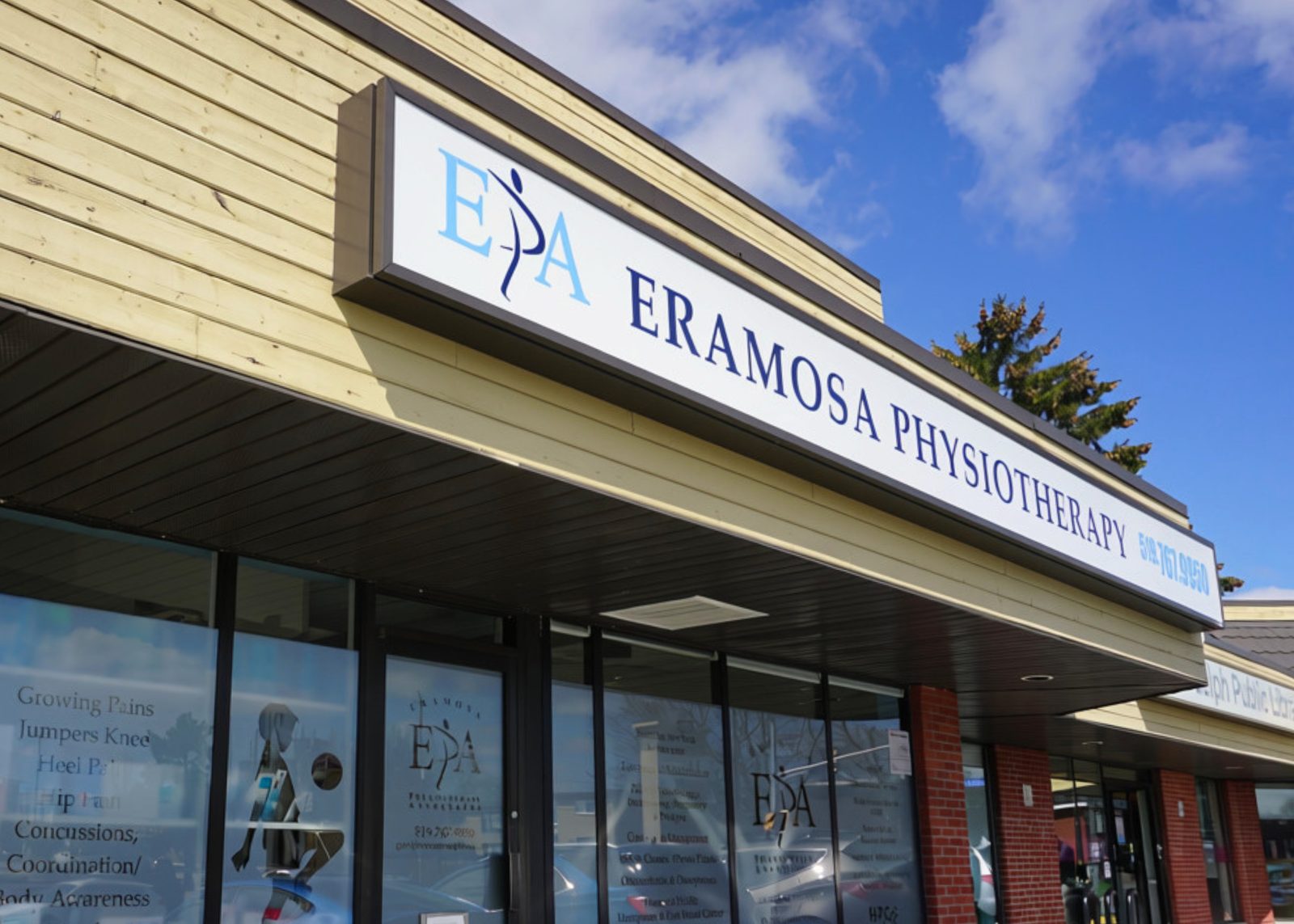
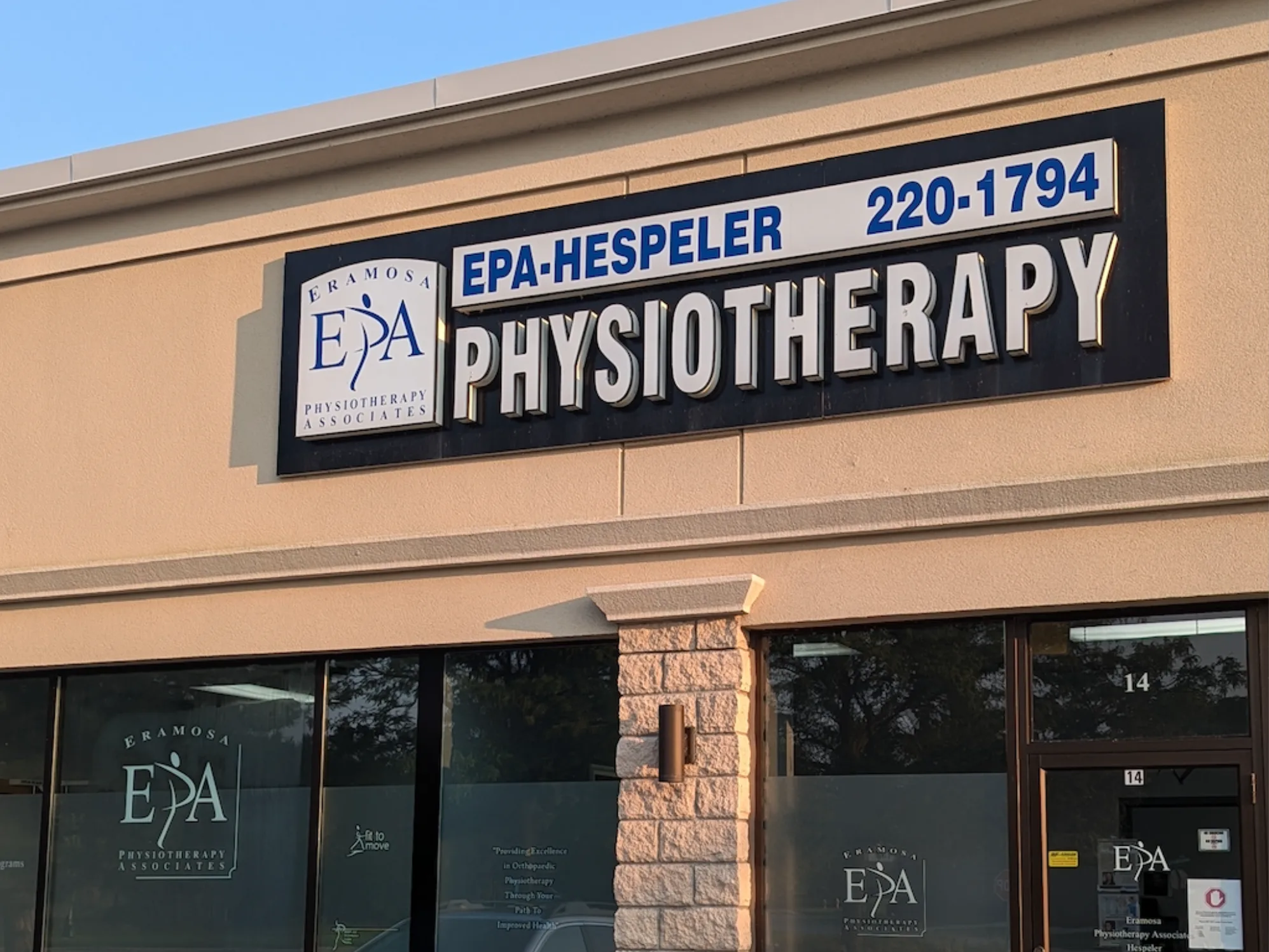
Our Developmental Coordination Disorder Clinics
Frequently Asked Questions
Get your questions answered
Common questions about Developmental Coordination Disorder physiotherapy at EPA. Still have questions?
No. Physiotherapists in Ontario are primary care providers, so you can book an assessment for your child directly. Direct billing to most major insurers is also available at our clinics.
Yes. Many families come to us because they’ve noticed clumsiness, coordination struggles, or handwriting difficulty, without a formal diagnosis. Your physiotherapist can assess your child and help clarify what’s going on.
No. DCD is a recognized neurological condition affecting motor skill coordination, and it’s distinct from general medical conditions like cerebral palsy. It’s more than typical childhood clumsiness — it meaningfully affects daily activities, school, and play.
Physiotherapy uses evidence-based, task-oriented interventions to build motor skills and functional ability. Your physiotherapist tracks progress with regular follow-ups and adjusts the plan as your child develops.
Often, yes. We collaborate with schools and other healthcare providers, like occupational therapists, to create a consistent, accommodating environment across home, school, and therapy.
Related Services
Other ways we can help
Ready to get started?
Your Recovery Begins Here
.
No Referral Needed.