
ACL Tear Treatment in Guelph & Wellington County
Whether it’s a partial sprain or a complete tear, our physiotherapists assess the grade of your ACL injury and build a treatment plan, with or without surgery, to rebuild strength and stability in your knee.
. No Referral Needed.
Convenient billing available with most major insurers









If you don’t see your provider listed, give us a call to confirm. Learn more about convenient billing.
The Anterior Cruciate Ligament (ACL) is one of four ligaments that connects your thigh bone (femur) to your shin bone (tibia). Its role is to resist forward movement of the tibia relative to the femur, and when this movement is extreme, it can result in a sprain or tear. The ACL can also tear with extreme rotational movements.
Symptoms of an ACL tear can include a loud pop or popping sensation at the time of injury, severe pain and rapid swelling in the knee, instability or a feeling of the knee giving way when bearing weight, a loss of range of motion so you can’t fully extend the knee, and tenderness across the knee surface.
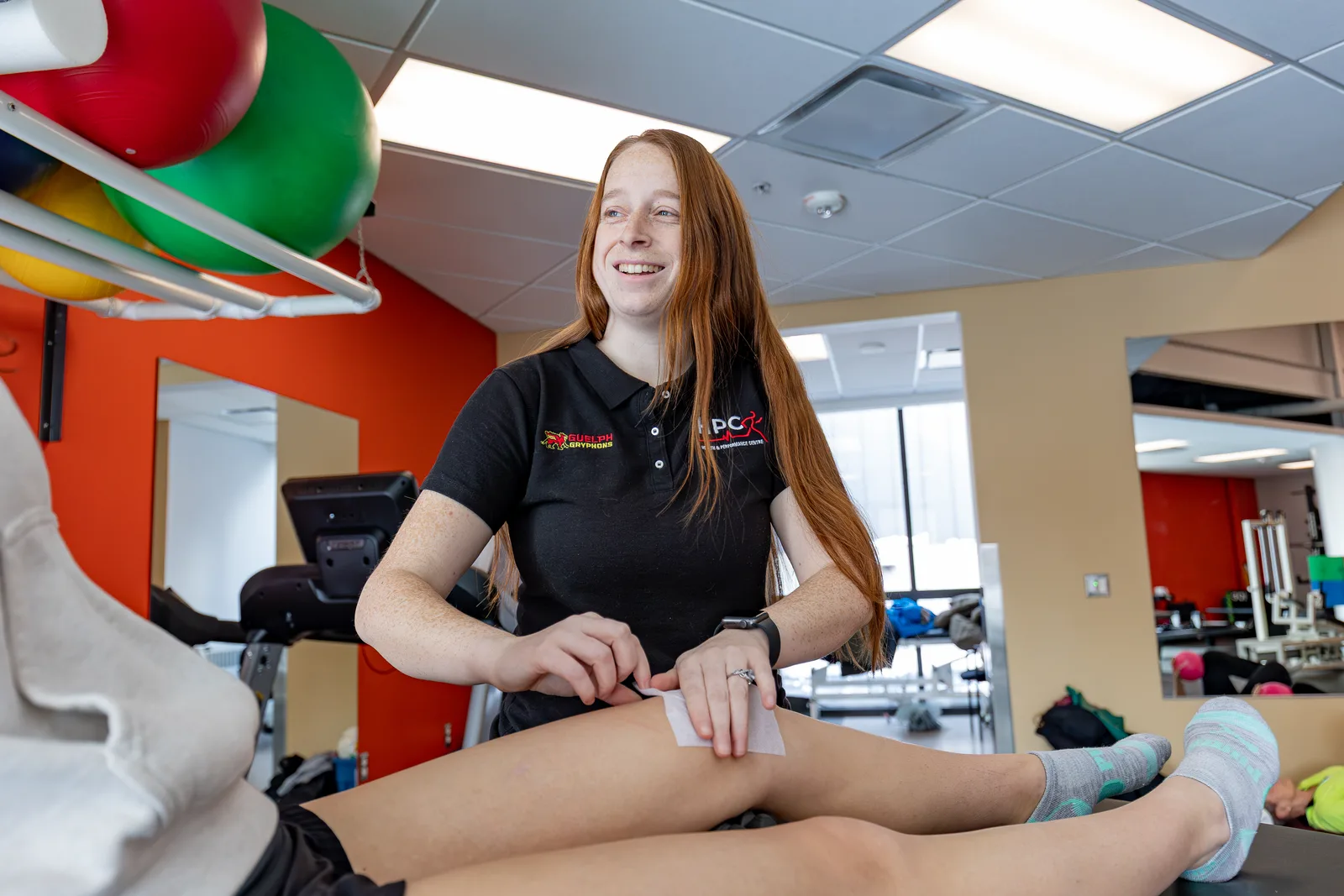
Common causes of ACL Tear
ACL tears can occur from either direct contact to the knee (about 30% of injuries) or with no contact at all (about 70% of injuries), with the main mechanisms being pivoting, decelerating, and jumping movements, most commonly a cut-and-plant motion. Risk factors include:
- Being female — women are three times more susceptible to ACL injuries than men
- Environmental factors, such as high friction between footwear and the playing surface
- Pre-existing degeneration of the knee
- Internal factors such as anatomy, hormone levels, and neuromuscular factors
- External factors such as the type of sport, footwear, and the foot-surface interface
Grading an ACL Tear
Your physiotherapist will diagnose an ACL tear through a physical assessment, including special tests such as the Lachman Test, Anterior Drawer Test, and Pivot Shift. Additional tests such as an X-ray, MRI, or ultrasound may be used to rule out other injuries. The degree of injury is classified by grade:
- Grade 1 — a microscopic tear that doesn’t typically affect joint stability
- Grade 2 — a partial tear of the ACL, causing an unstable knee when walking and standing
- Grade 3 — a complete tear of the ACL, causing an extremely unstable knee
How we treat ACL Tear
Immediately after an ACL injury, the RICE protocol (Rest, Ice, Compression, and Elevation) helps reduce pain and swelling. Because the ACL has poor blood flow and healing potential, surgery may be recommended or required, especially for athletes looking to return to sport, who typically undergo ACL reconstructive surgery with extensive rehabilitation required both before and after. If surgery isn’t required or recommended, physiotherapy is a great option to strengthen the muscles surrounding the knee so they can compensate for the lack of the ACL and provide more stability.
- The RICE protocol (Rest, Ice, Compression, Elevation) immediately following injury
- Strengthening exercises for the muscles surrounding the knee to improve stability
- Pre- and post-surgical rehabilitation, if surgery is recommended
- Treatment tailored to the grade of your injury: Grade 1 or 2 injuries may not require surgery, with physiotherapy alone often enough; non-athletes often find physiotherapy sufficient to return to normal activity, while athletes typically pursue surgery to return to full sport
Recovery Timeline
Recovery from an ACL tear depends heavily on the grade of your injury and whether surgery is required, and your physiotherapist will outline a realistic timeline based on your specific diagnosis at your first assessment. Your commitment is typically 2–3 visits a week for 20–30 minutes, along with progressive in-clinic and home exercises. For athletes who undergo ACL reconstruction surgery, rehabilitation commonly lasts 9–12 months or longer, depending on the surgical protocol, the individual’s goals, and their progress throughout recovery. A structured rehabilitation program is essential to restore strength, movement, confidence, and a safe return to sport or higher-level activities.
When Physiotherapy isn’t enough
If your knee continues to feel unstable or painful despite conservative treatment, or you’re an athlete hoping to return to pivoting, cutting, or contact sports, we will work with you and your family doctor to explore ACL reconstructive surgery. While every case is unique, surgery is commonly recommended for active individuals with a complete (Grade 3) ACL tear who wish to return to moderate- or high-risk sports that place significant demands on knee stability. It is also often recommended for younger individuals, as ongoing knee instability can increase the risk of secondary injuries to structures such as the meniscus and joint cartilage over time.
If surgery is required, physiotherapy is equally important before and after the procedure. Pre-operative rehabilitation (“prehab”) helps reduce swelling, restore range of motion, and build strength while waiting for surgery, which can contribute to a smoother and more successful post-operative recovery. Our Path to Improved Health supports your rehabilitation throughout the entire process, whether your injury is managed conservatively or surgically.
Ready to Get Started?
Schedule Appointment
Book directly with the clinic and physiotherapist of your choice.
Related Articles
No posts found.
Try adjusting your query parameters.
What Our Patients Are Saying
What our patients are saying
Trusted by 2,000+ patients annually for over 30 years.
Frequently Asked Questions
Get your questions answered
Common questions about ACL tears and physiotherapy. Still have questions? We’re happy to help.
No. Physiotherapists in Ontario are primary care providers, so you can book an assessment directly. Direct billing to most major insurers is also available at our clinics.
Not always. Treatment depends on the grade of your injury — Grade 1 or 2 tears often respond well to physiotherapy alone, while athletes returning to pivoting or jumping sports typically pursue ACL reconstructive surgery. Your physiotherapist will help you understand your options after your assessment.
Your physiotherapist performs a physical assessment using special tests such as the Lachman Test, Anterior Drawer Test, and Pivot Shift. Imaging like an X-ray, MRI, or ultrasound may also be used to rule out other injuries and confirm the diagnosis.
Many people manage daily activities, and even some sport, with a stable, well-rehabilitated knee, especially with a Grade 1 or 2 injury. Your physiotherapist will guide which activities are safe and how to build strength around the joint.
Before surgery, physiotherapy focuses on reducing swelling, restoring range of motion, and strengthening the muscles around the knee to support a smoother recovery. After surgery, treatment progresses through a structured rehabilitation program to rebuild strength, stability, and confidence in the knee.
Related conditions
You may also be dealing with
Ready to get started?
Your Recovery Begins Here
.
No Referral Needed.