
Sensory Needs and Self-Regulation Support in Guelph
Occupational therapy for children with sensory processing challenges or difficulty self-regulating — helping them feel more comfortable and in control. No referral is needed to book.
. No Referral Needed.
Convenient billing available with most major insurers











If you don’t see your provider listed, give us a call to confirm. Learn more about convenient billing.
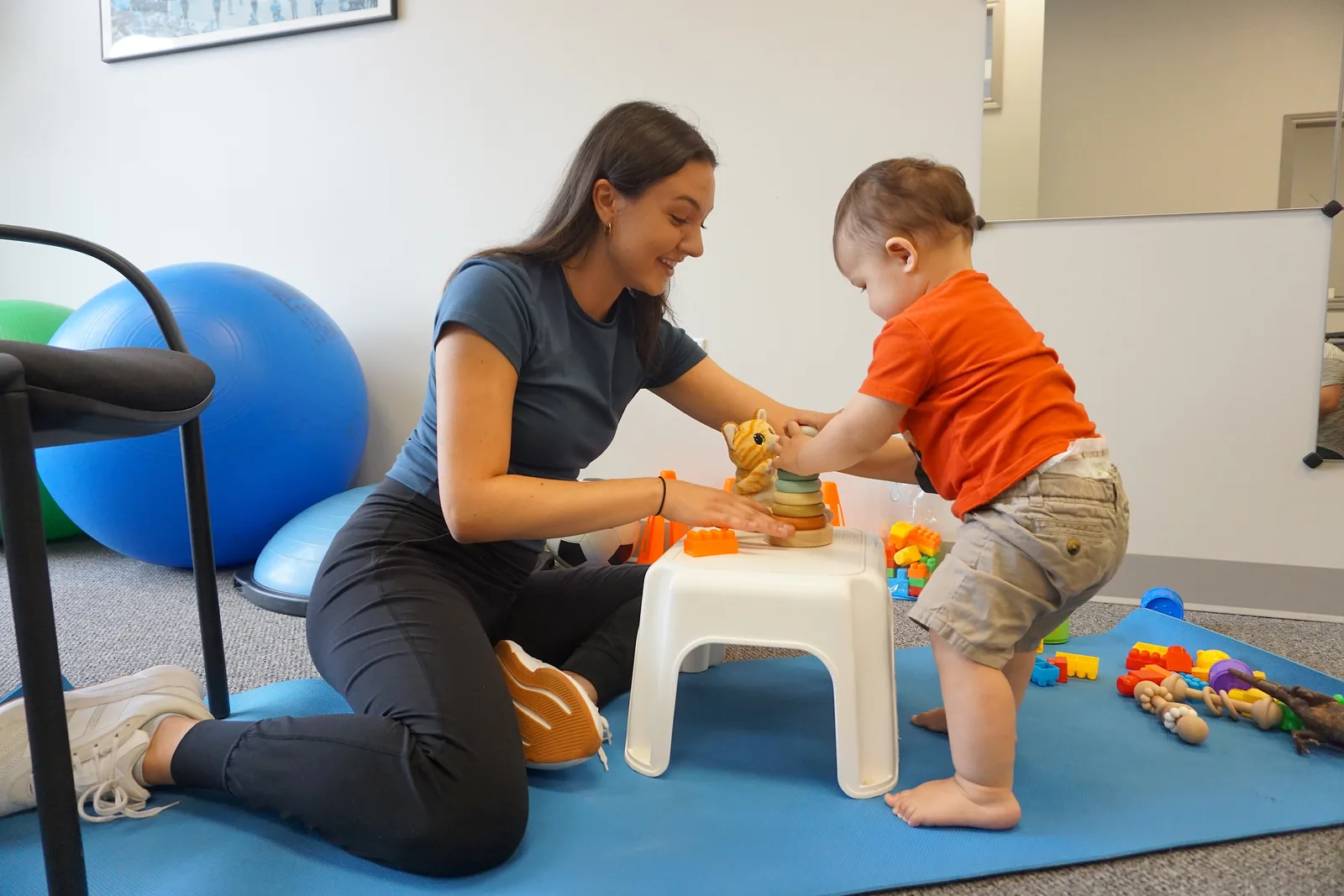
Occupational therapy for children with sensory processing challenges or difficulty self-regulating — helping them feel more comfortable and in control. No referral is needed to book.
Occupational therapy plays a critical role in supporting children with sensory processing issues and self-regulation difficulties. Sensory processing is how the nervous system receives messages from the senses and turns them into appropriate motor and behavioural responses; self-regulation is how your child manages their emotions, behaviours, and body movements in response to that sensory input.
Assessment
Our occupational therapist conducts a thorough assessment to understand your child’s sensory processing patterns, using tools like sensory profiles, clinical observation, and information from parents and teachers to build a clear picture of how your child functions day to day.
How we help
Therapeutic support may include:
- Individualized sensory diets — tailored activities and interventions that provide the sensory input your child needs to stay at an optimal level of alertness, whether calming, alerting, or organizing
- Sensory strategies, including environmental accommodations and behavioural approaches
- Environmental modifications to reduce sensory overload and create a more supportive setting
- Education and training for parents, caregivers, and teachers on recognizing sensory triggers and responding effectively
- Self-regulation strategies — breathing exercises, visual schedules, and social stories that build mindfulness and emotional regulation
- Consistent routines and structure, which help children with sensory processing difficulties feel more secure
What to expect from your EPA for Kids occupational therapy experience
Path to Improved Health is the framework every Eramosa patient follows. We’ve used it to guide assessment, treatment, and recovery since 1997 — and it’s how we make sure nothing about your child’s care is left to chance.
Assessment
Your occupational therapist gathers a full picture of your child’s sensory processing patterns through sensory profiles, observation, and input from parents and teachers.
A personalized sensory plan
Your therapist designs a sensory diet and self-regulation strategies tailored to your child, and recommends environmental changes that support them at home and school.
Support that extends beyond the session
We educate parents, caregivers, and teachers on recognizing sensory triggers and responding consistently, so the strategies your child learns in session carry over into daily life.
Ready to Get Started?
Schedule Appointment
Book directly with the clinic and physiotherapist of your choice.
Related Articles
No posts found.
Try adjusting your query parameters.
What Our Patients Are Saying
What our patients are saying
Trusted by 2,000+ patients annually for over 30 years.
Meet our EPA for Kids Team








Our Sensory Needs & Self-Regulation Clinics


Frequently Asked Questions
Get your questions answered
Common questions about sensory needs and self-regulation support at EPA. Still have questions?
No. You can book an occupational therapy assessment for your child directly with our clinic. Direct billing to most major insurers is also available.
It’s not related to food — a sensory diet is a personalized set of activities and sensory input, calming or alerting depending on your child’s needs, designed to help them stay regulated throughout the day.
Signs vary widely — some children are overwhelmed by certain textures, sounds, or movement, while others seek out extra sensory input. If you’ve noticed your child struggling to stay regulated in daily situations, an assessment can help clarify what’s going on.
We can work with teachers and school staff where it’s helpful, since consistent strategies across home and school tend to work best for kids.
Self-regulation is a skill that can be built. With the right sensory strategies, routines, and practice, most children improve their ability to manage emotions and body movements in response to sensory input.
Related Services
Other ways we can help
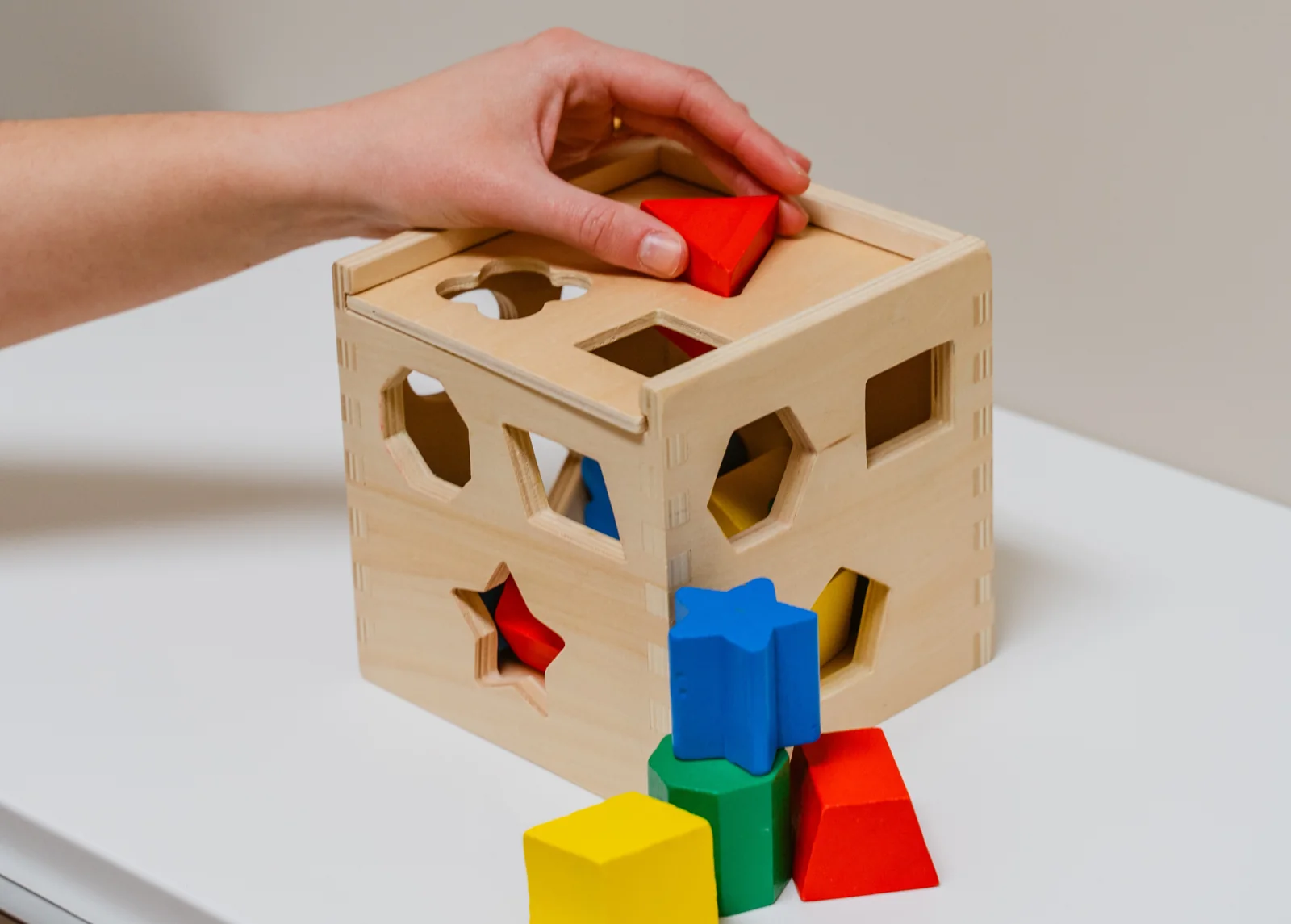
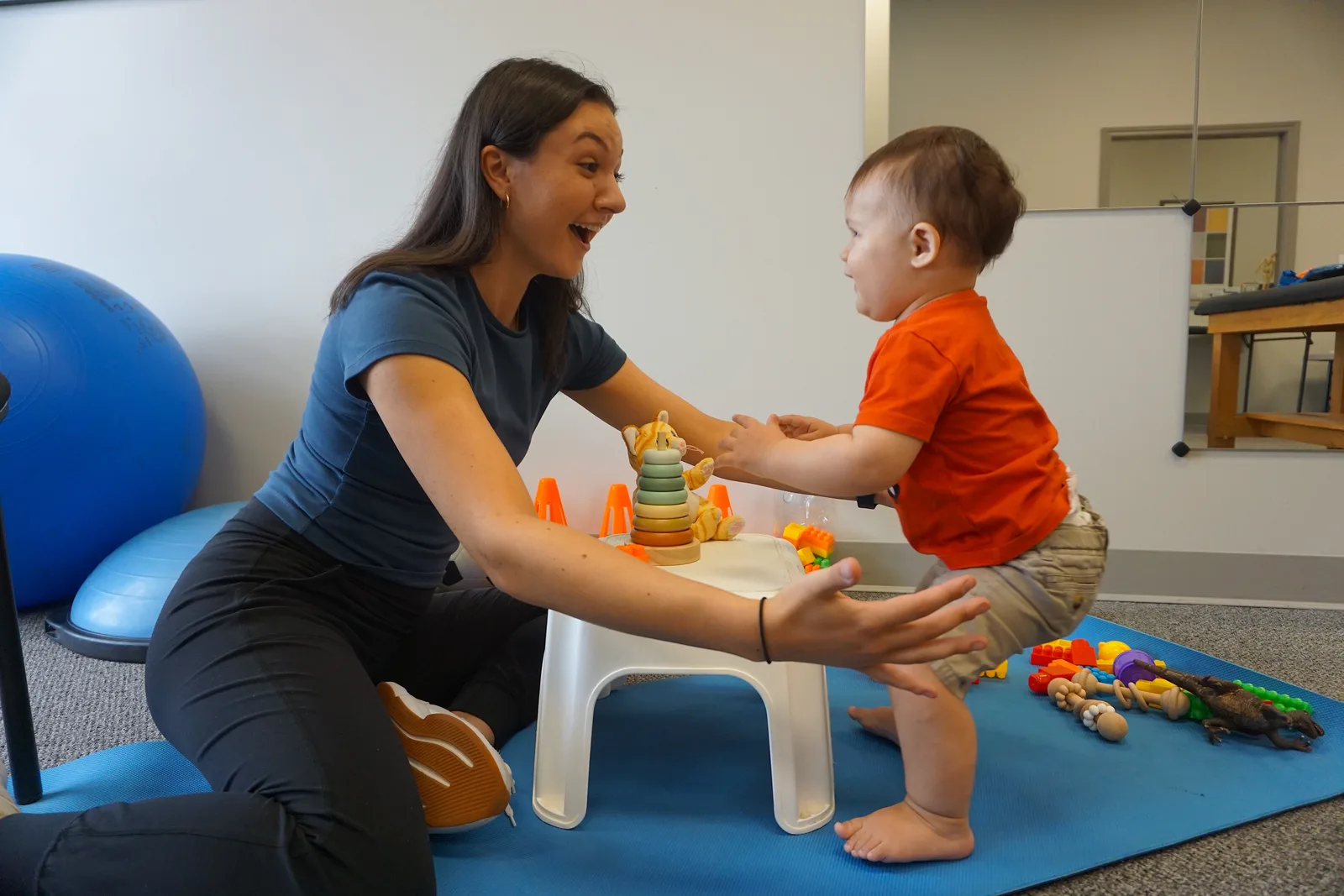
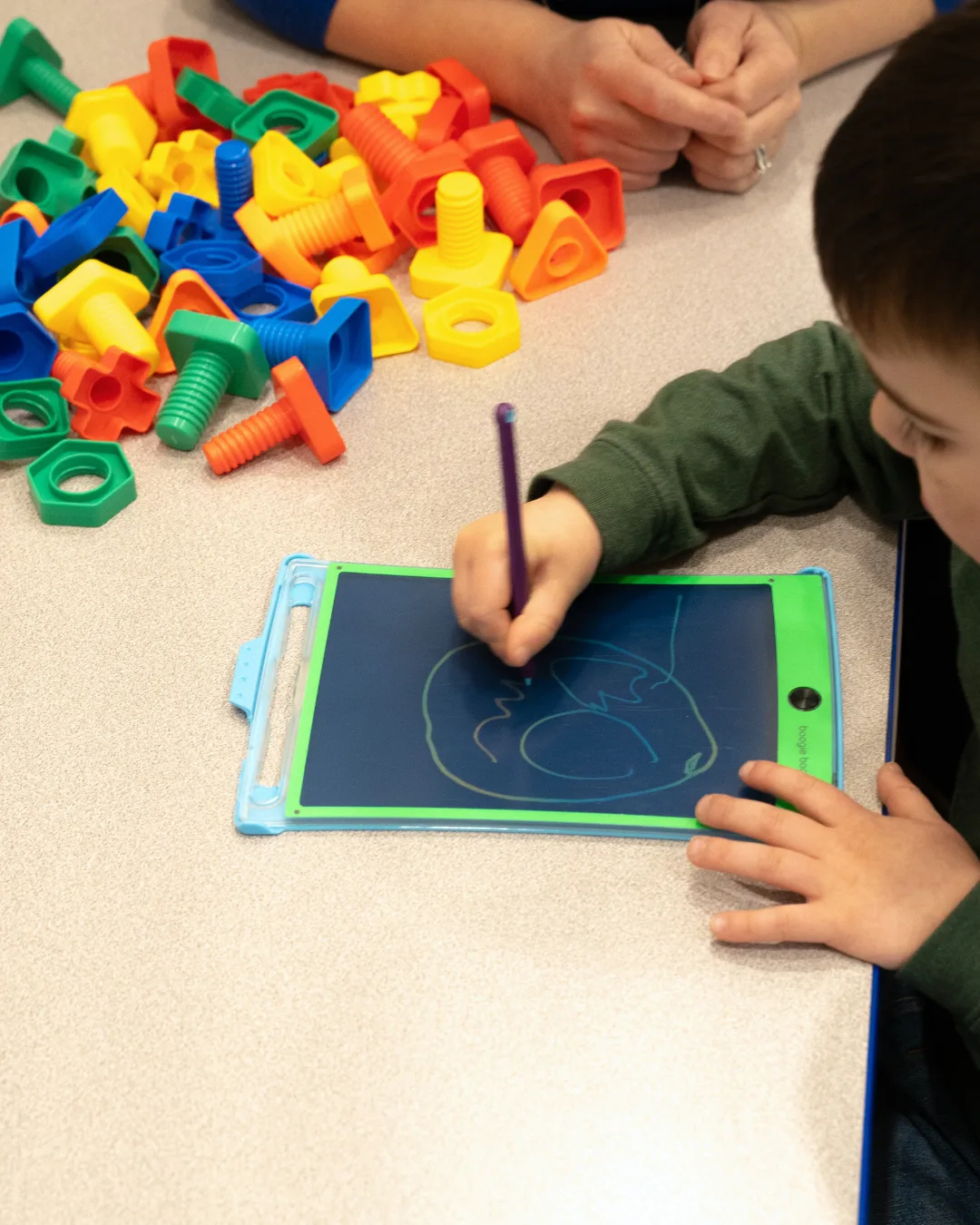
Ready to get started?
Your Recovery Begins Here
.
No Referral Needed.