
Meniscus Tear Treatment in Guelph & Wellington County
A torn meniscus might happen suddenly with a twisting injury, or develop gradually as it wears down with age, but it doesn’t have to keep you from moving comfortably. Our physiotherapists work with you to reduce your pain and restore strength and function in your knee.
. No Referral Needed.
Convenient billing available with most major insurers











If you don’t see your provider listed, give us a call to confirm. Learn more about convenient billing.
The meniscus is a crescent-shaped piece of fibrocartilage that acts as a shock absorber in the knee. There is a lateral and a medial meniscus, both sandwiched between the lower thigh bone and the upper shin bone. Tears fall into two types: acute tears, most often caused by trauma, and chronic tears, which are more common in older adults as the meniscus naturally degenerates over time.
Some meniscus tears cause no noticeable symptoms and may heal on their own, but it’s common to experience locking of the knee, a popping or clicking sound, and intermittent pain on the inside or outside of the knee. Pain is often worse with knee flexion and loading, such as squatting or kneeling, which is a common symptom of a degenerative tear.
Ultrasound and MRI imaging are the most common ways to get a clear picture of what’s happening inside the knee, usually starting with an ultrasound and following up with an MRI for more detail if needed. A hands-on knee exam — assessing range of motion, gait, and specific tests for the menisci and surrounding structures — is also a valuable, function-based way to diagnose a tear.
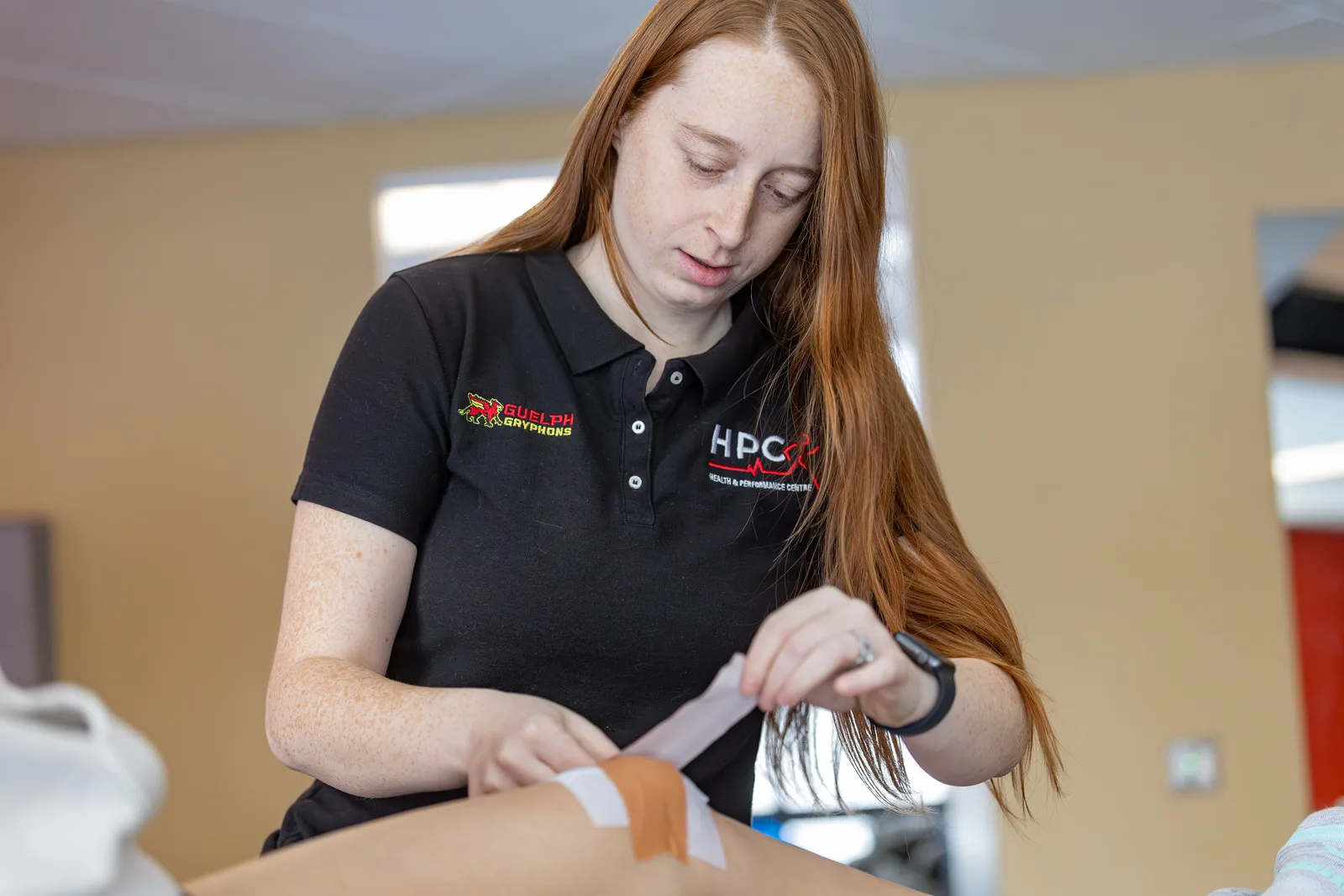
Common causes of Meniscus Tears
Meniscus tears can happen suddenly (acute) or develop gradually through wear and tear (chronic). A few factors can raise your risk:
- Athletics — twisting on a slightly bent, weight-bearing leg is the most common cause, and meniscus tears account for about 15% of all sports injuries, notably in sports like soccer and tennis
- Occupation and hobbies that place repetitive stress on the knee
- Age — meniscus tissue becomes more prone to tearing as it naturally degenerates over time
- Existing conditions, such as knee osteoarthritis in older adults, which can weaken the menisci and make them more susceptible to tears
How we treat Meniscus Tears
In the first 24 hours after an acute injury, Rest, Ice, Compression, and Elevation (the RICE method) helps reduce pain and swelling. From there, tears with mild or irregular symptoms typically respond well to a conservative approach through physiotherapy.
- Progressive strengthening and flexibility work for the quadriceps and hamstring muscles
- Joint mobilization
- Balance and agility training to restore function and ease joint pain
- In some cases, a surgical approach may be needed if conservative treatment isn’t enough
Recovery Timeline
Most meniscus tears with mild or irregular symptoms respond well to a conservative physiotherapy approach, and your physiotherapist will outline a realistic timeline based on your specific diagnosis at your first assessment. Your commitment is typically 2–3 visits a week for 20–30 minutes, along with progressive in-clinic and home exercises.
When Physiotherapy isn’t enough
While many meniscus tears respond well to physiotherapy, some individuals continue to experience symptoms despite conservative treatment. Persistent knee locking, catching, or an inability to fully straighten the knee may indicate that the torn meniscus is mechanically interfering with joint movement and that a surgical consultation is warranted. Depending on the type and location of the tear, surgery may involve a meniscus repair (stitching the torn tissue back together) or a partial meniscectomy (removing the damaged portion of the meniscus). If surgery is recommended, we will work with you and your family doctor to support your recovery both before and after the procedure.
Ready to Get Started?
Schedule Appointment
Book directly with the clinic and physiotherapist of your choice.
Related Articles
No posts found.
Try adjusting your query parameters.
What Our Patients Are Saying
What our patients are saying
Trusted by 2,000+ patients annually for over 30 years.
Frequently Asked Questions
Get your questions answered
Common questions about meniscus tears and physiotherapy. Still have questions? We’re happy to help.
No. Physiotherapists in Ontario are primary care providers, so you can book an assessment directly. Direct billing to most major insurers is also available at our clinics.
Not always. A hands-on physiotherapy assessment — including range of motion, gait, and specific tests for the meniscus — can often identify a tear on its own. Imaging like an ultrasound or MRI may still be used to get a more detailed picture when needed.
Most meniscus tears with mild or irregular symptoms respond well to conservative treatment through physiotherapy. Though a surgical consult is sometimes appropriate if symptoms don’t improve.
Some tears cause no noticeable symptoms and heal without specific treatment. Others, especially degenerative tears in older adults, benefit from a structured physiotherapy program to reduce pain and restore function.
Treatment typically combines strengthening and flexibility work for the quadriceps and hamstrings, joint mobilization, and balance and agility training, all tailored to how your knee is responding as you progress.
Related conditions
You may also be dealing with
Ready to get started?
Your Recovery Begins Here
.
No Referral Needed.