Post-Surgical Rehabilitation in Guelph & Wellington County
Focused care that helps you safely recover after surgery — reducing pain, restoring movement, and rebuilding strength, with specialized support for recovery after breast cancer surgery. No referral is needed to book.
. No Referral Needed.
Convenient billing available with most major insurers










If you don’t see your provider listed, give us a call to confirm. Learn more about convenient billing.
Post-surgical rehabilitation is focused care that helps you safely recover after surgery by reducing pain, restoring movement, and rebuilding strength. Physiotherapy supports your recovery with a personalized plan to help you regain function and return to your daily activities as safely and efficiently as possible.
Our team provides dedicated support for recovery after breast cancer surgery, including lumpectomy and mastectomy. Surgery and treatment can bring physical changes many patients aren’t warned about — swelling (lymphedema), loss of shoulder mobility, scar tightness, pain, and fatigue — and physiotherapy has an established role in addressing each of them.
Whether you’re recovering from orthopaedic surgery or breast cancer surgery, treatment begins where you are: a detailed assessment of your current function, restrictions, and goals, and a plan that progresses at the pace your recovery allows.
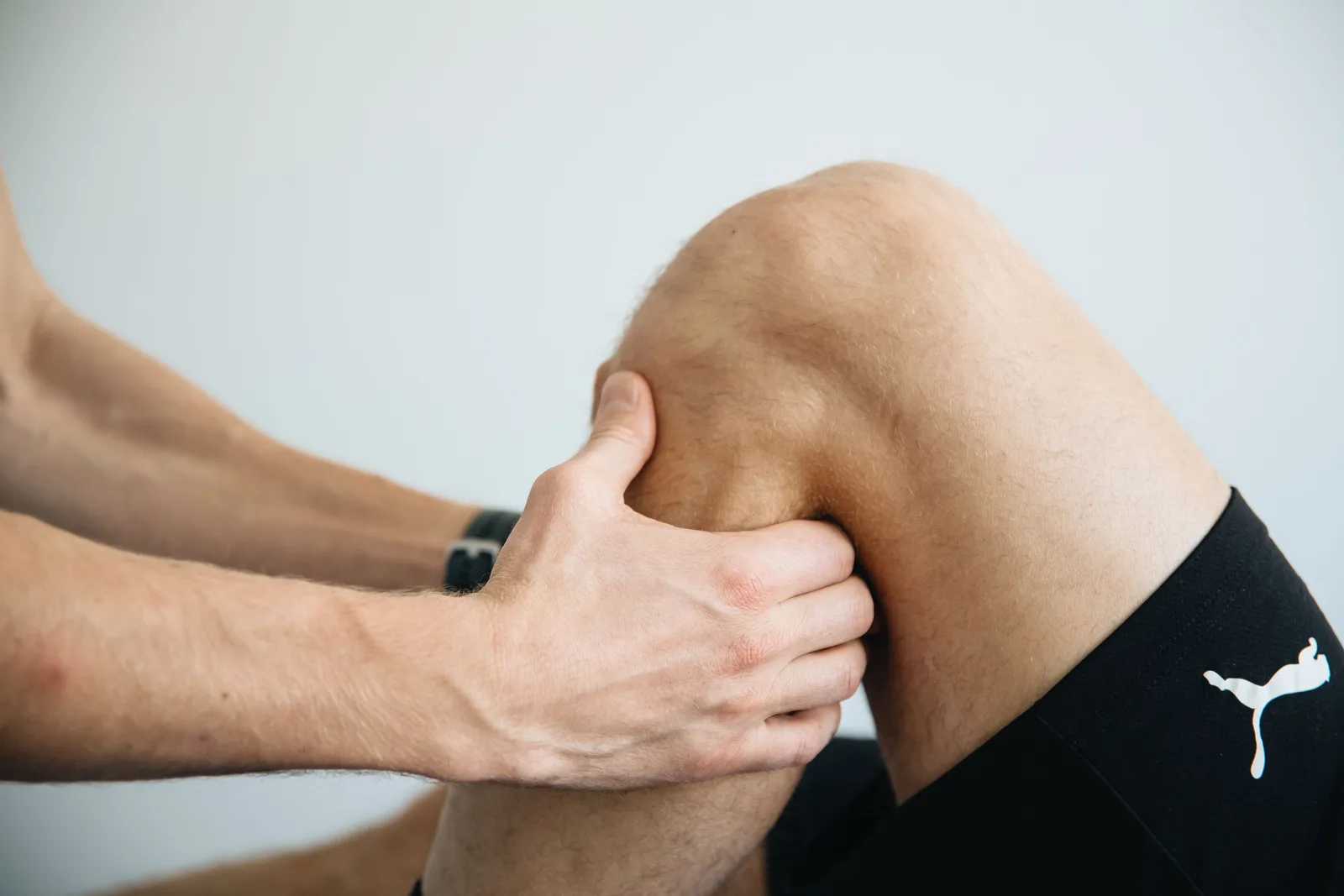
What we treat with Post-Surgical Rehabilitation
We support recovery after orthopaedic procedures and breast cancer surgery. Post-breast-surgery care addresses common concerns including cording syndrome following lymph node removal, seroma, pulling or pain into the arm, loss of shoulder range of motion, scar adhesions and tightness, lymphedema, fatigue, and tissue tightness following radiation treatment.
What to expect from your Eramosa physiotherapy experience
Path to Improved Health is the framework every Eramosa patient follows. We’ve used it to guide assessment, treatment, and recovery since 1997 — and it’s how we make sure nothing about your care is left to chance.
Assessment and accurate diagnosis
Where possible, care starts before your surgery: a pre-operative assessment determines your current level of function, sets expectations for what recovery involves, and reviews the restrictions you’ll follow post-surgery. After surgery, a detailed physiotherapy assessment covers your complaints and limitations, relevant medical history, posture, range of motion, strength, and general cardiovascular health.
Treatment that targets the cause
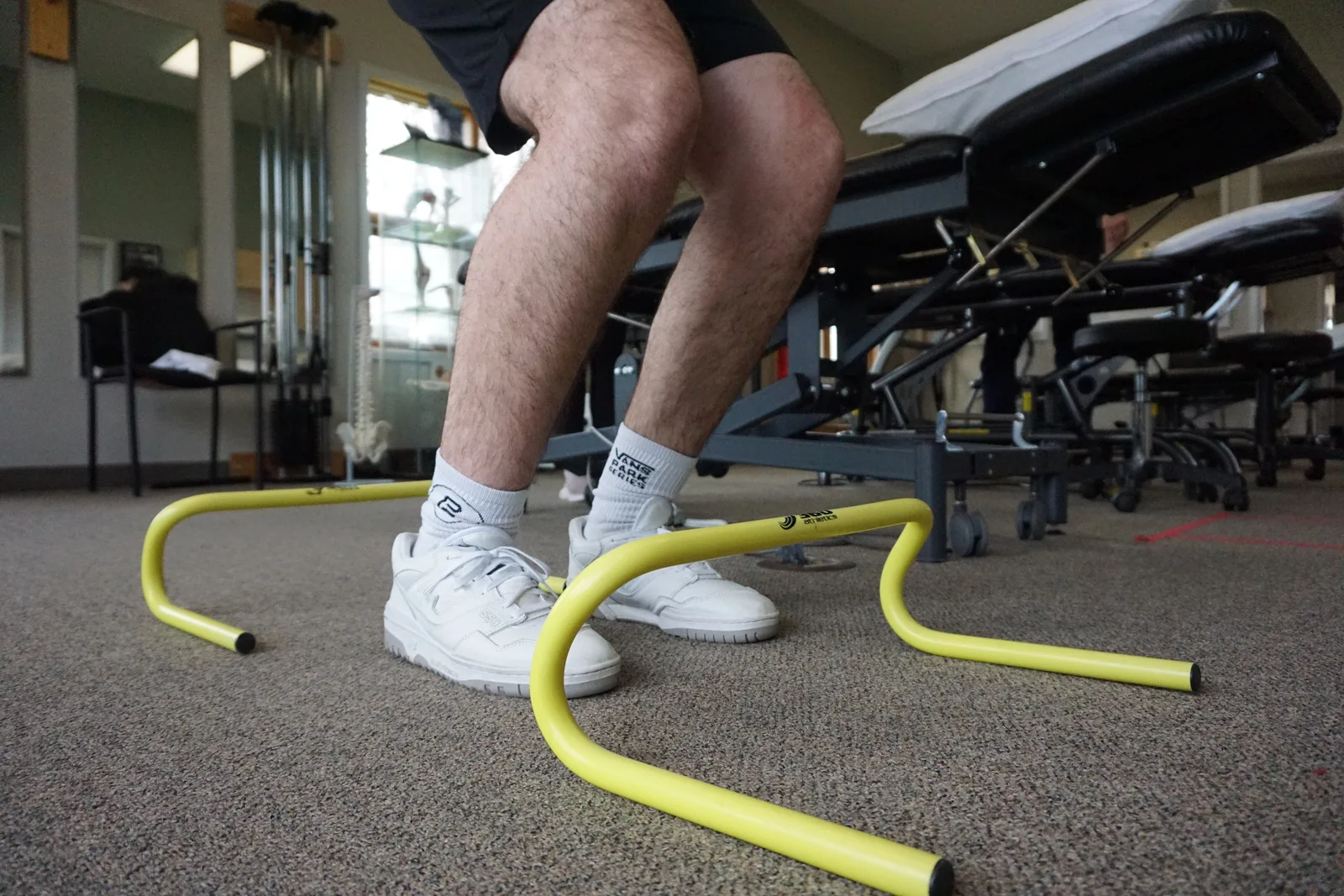
Your treatment plan typically begins once surgical drains have been removed — approximately 4 weeks post-surgery for breast cancer patients — and may include range-of-motion exercises, activity guidelines, scar and skin sensation management, swelling and lymphedema management including specific bandaging and massage techniques, strengthening, and cardiovascular and endurance exercise.
Reassessment and return to function
You’ll receive a home-based exercise program as a tool to manage your symptoms and minimize exacerbations, and your primary healthcare provider receives an overview of your changes in pain and function. We follow up on your progress after discharge — recovery doesn’t end when your visits do.
Ready to Get Started?
Schedule Appointment
Book directly with the clinic and physiotherapist of your choice.
Related Articles
No posts found.
Try adjusting your query parameters.
What Our Patients Are Saying
What our patients are saying
Trusted by 2,000+ patients annually for over 30 years.
Meet our Physiotherapists









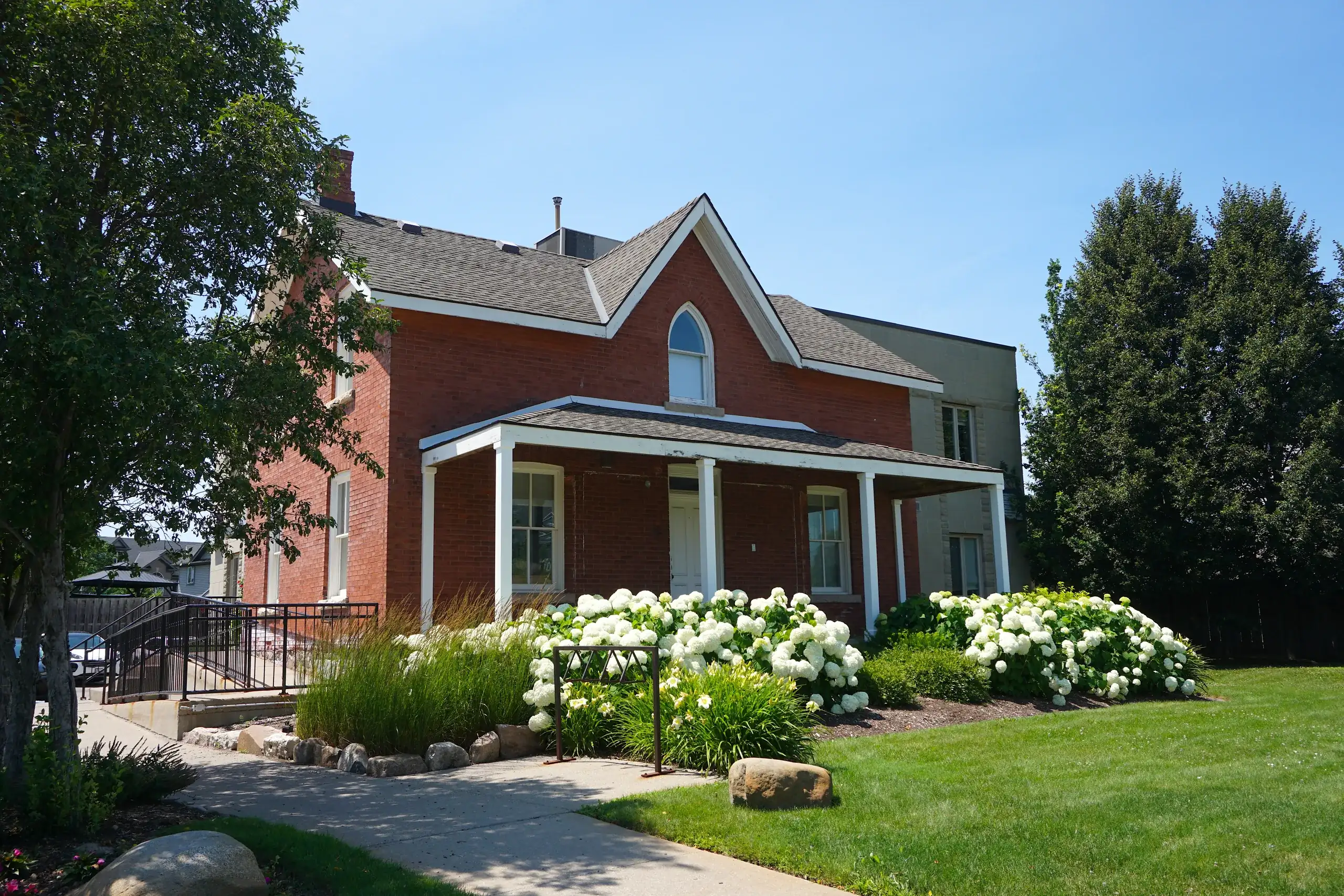
Our Post-Surgical Rehabilitation Clinics
Frequently Asked Questions
Get your questions answered
Common questions about post-surgical rehabilitation at Eramosa. Still have questions? We’re happy to help.
No. Physiotherapists in Ontario are primary care providers, so you can book an assessment directly. Direct billing to most major insurers is also available at our clinics.
It depends on your procedure and your surgeon’s guidance. For breast cancer surgery, active treatment typically begins once drains have been removed — approximately 4 weeks post-surgery — but a pre-operative or early post-operative assessment can set your plan and restrictions before that.
Yes. A pre-operative assessment determines your current level of function, teaches you what to expect after surgery, and reviews the restrictions you’ll need to follow — so you start recovery with a plan already in place.
Yes. Swelling and lymphedema management is part of post-breast-surgery rehabilitation, including specific bandaging and massage techniques, alongside exercise and education to help you manage symptoms long-term.
It varies individually. For breast cancer rehabilitation, visits are typically once a week leading up to chemotherapy and radiation, then adjusted to your recovery. Your physiotherapist sets the schedule with you at your assessment.
Related Services
Other ways we can help


Ready to get started?
Your Recovery Begins Here
.
No Referral Needed.