
Fine Motor Skills and Printing Support in Guelph
Occupational therapy to help your child build hand strength, dexterity, and confident handwriting. No referral is needed to book.
. No Referral Needed.
Convenient billing available with most major insurers











If you don’t see your provider listed, give us a call to confirm. Learn more about convenient billing.
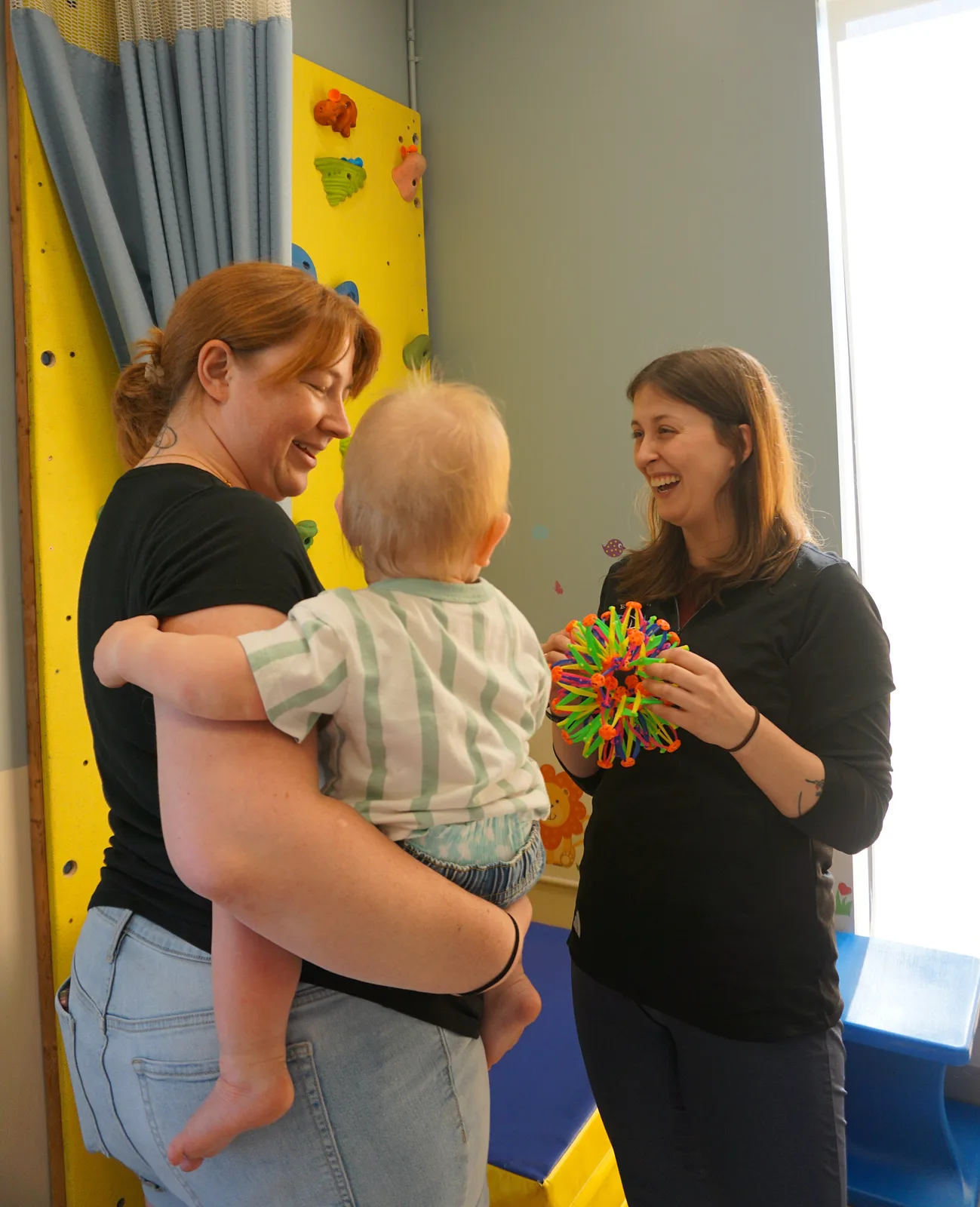
Occupational therapy to help your child build hand strength, dexterity, and confident handwriting. No referral is needed to book.
Occupational therapy helps children develop fine motor skills — the coordination of the small muscles in the hands and fingers — and build the printing abilities they need for school and everyday tasks. Through targeted, individualized support, occupational therapy helps children participate more fully in daily life and the classroom.
Assessment
Our occupational therapist begins with a comprehensive assessment to identify specific fine motor deficits and printing challenges, evaluating grip strength, hand dexterity, coordination, and handwriting samples.
Therapeutic intervention
Support may include:
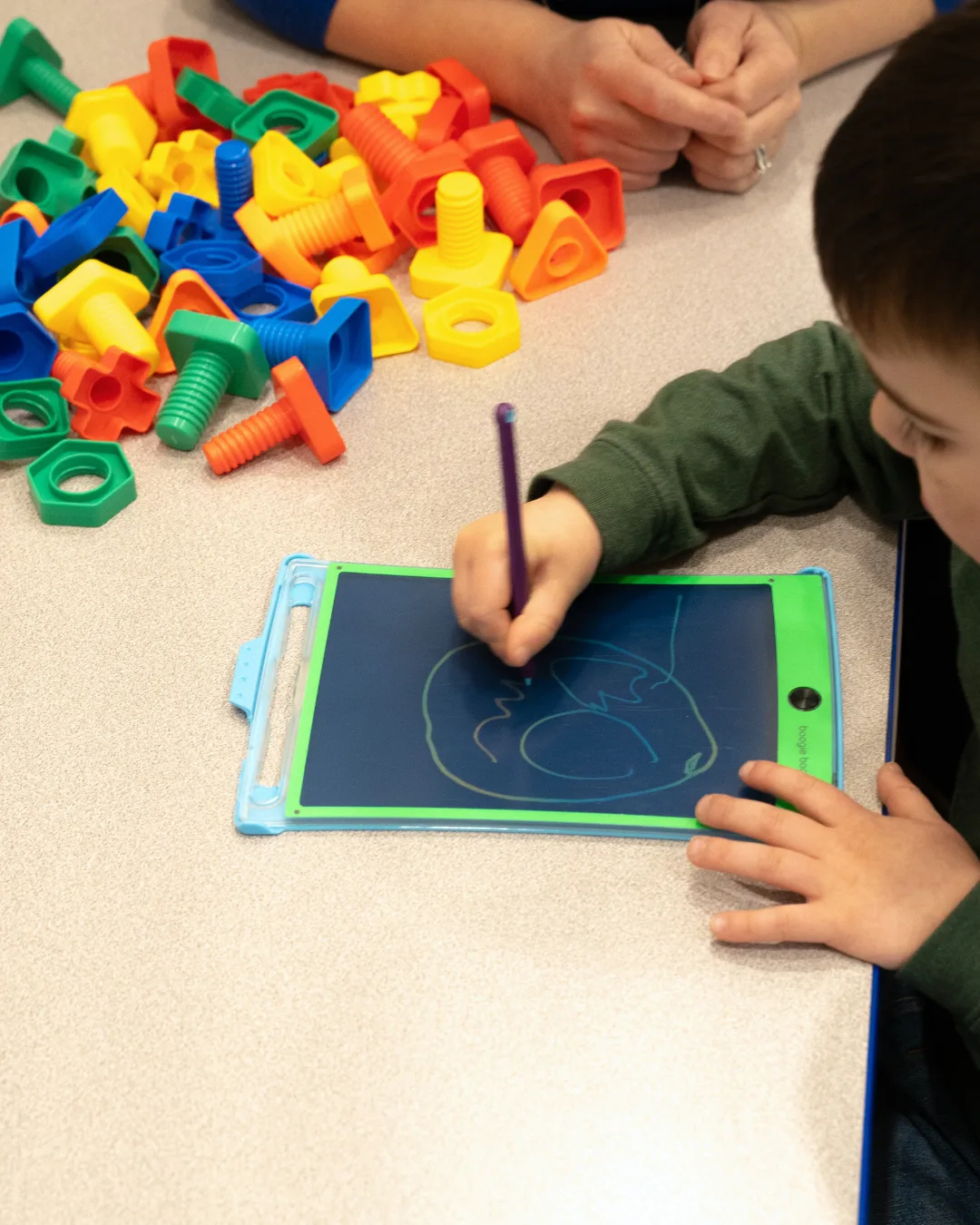
- Strengthening and dexterity exercises through play-based activities that build hand strength and finger control
- Handwriting skills development — proper pencil grip, posture, and paper positioning, along with structured programs that build legibility and printing speed
- Fine motor coordination activities — cutting, drawing, colouring within lines, and puzzles that build hand-eye and bilateral coordination
- Adaptive tools and techniques — special grips, slant boards, or weighted pencils where they help, along with breaking tasks into smaller steps and visual or tactile aids
- Environmental and task modifications — adjusting desk height, paper size, or writing surface to reduce barriers
- Consistent practice, kept engaging and varied to keep kids motivated
- Collaboration with parents and teachers, so skills are reinforced at home and in the classroom
Supports at EPA for Kids
- Individual (1:1) sessions
- Group treatment options, such as our Writing Warriors camp
What to expect from your EPA for Kids occupational therapy experience
Path to Improved Health is the framework every Eramosa patient follows. We’ve used it to guide assessment, treatment, and recovery since 1997 — and it’s how we make sure nothing about your child’s care is left to chance.
Assessment
Your occupational therapist evaluates grip strength, hand dexterity, coordination, and handwriting samples to pinpoint specific fine motor challenges.
A plan built around your child
Treatment combines strengthening exercises, handwriting practice, coordination activities, and adaptive tools where they help — delivered one-on-one or, where it fits, in a small group like Writing Warriors.
Skills that carry into school and home
We collaborate with parents and teachers so the skills your child builds in session are reinforced consistently at home and in the classroom.
Ready to Get Started?
Schedule Appointment
Book directly with the clinic and physiotherapist of your choice.
Related Articles
No posts found.
Try adjusting your query parameters.
What Our Patients Are Saying
What our patients are saying
Trusted by 2,000+ patients annually for over 30 years.
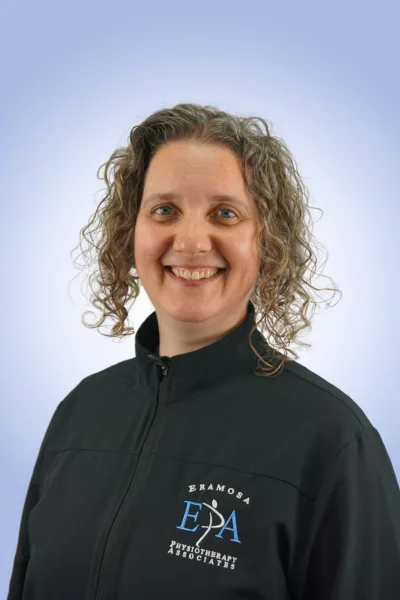
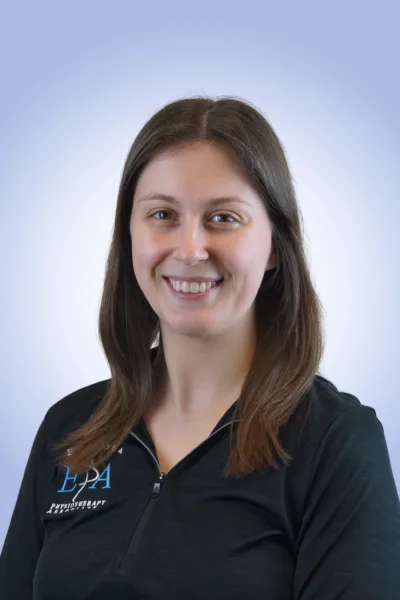
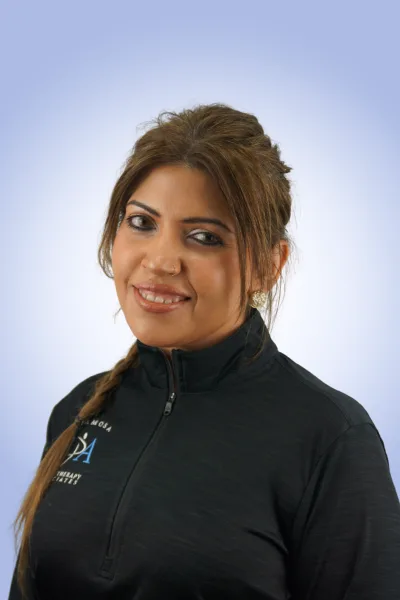
Meet our EPA for Kids Team






Frequently Asked Questions
Get your questions answered
Common questions about fine motor skills and printing support at EPA. Still have questions?
No. You can book an occupational therapy assessment for your child directly with our clinic. Direct billing to most major insurers is also available.
It can be. Messy or slow handwriting is often linked to grip strength, hand dexterity, or coordination challenges. An assessment can identify what’s contributing to it and whether targeted support would help.
It’s a group treatment option offered at EPA for Kids for children working on fine motor and printing skills, alongside our individual 1:1 sessions. Ask us whether it’s a good fit for your child.
Only where they’d genuinely help. Adaptive tools like special grips, slant boards, or weighted pencils are recommended based on your child’s specific needs, not as a default.
It depends on your child and the specific challenge. Consistent practice between sessions makes a real difference, and your therapist will track progress and adjust the plan as your child improves.
Related Services
Other ways we can help
Ready to get started?
Your Recovery Begins Here
.
No Referral Needed.