Following these instructions after a concussion can prevent further injury and help recovery.
When to seek care immediately
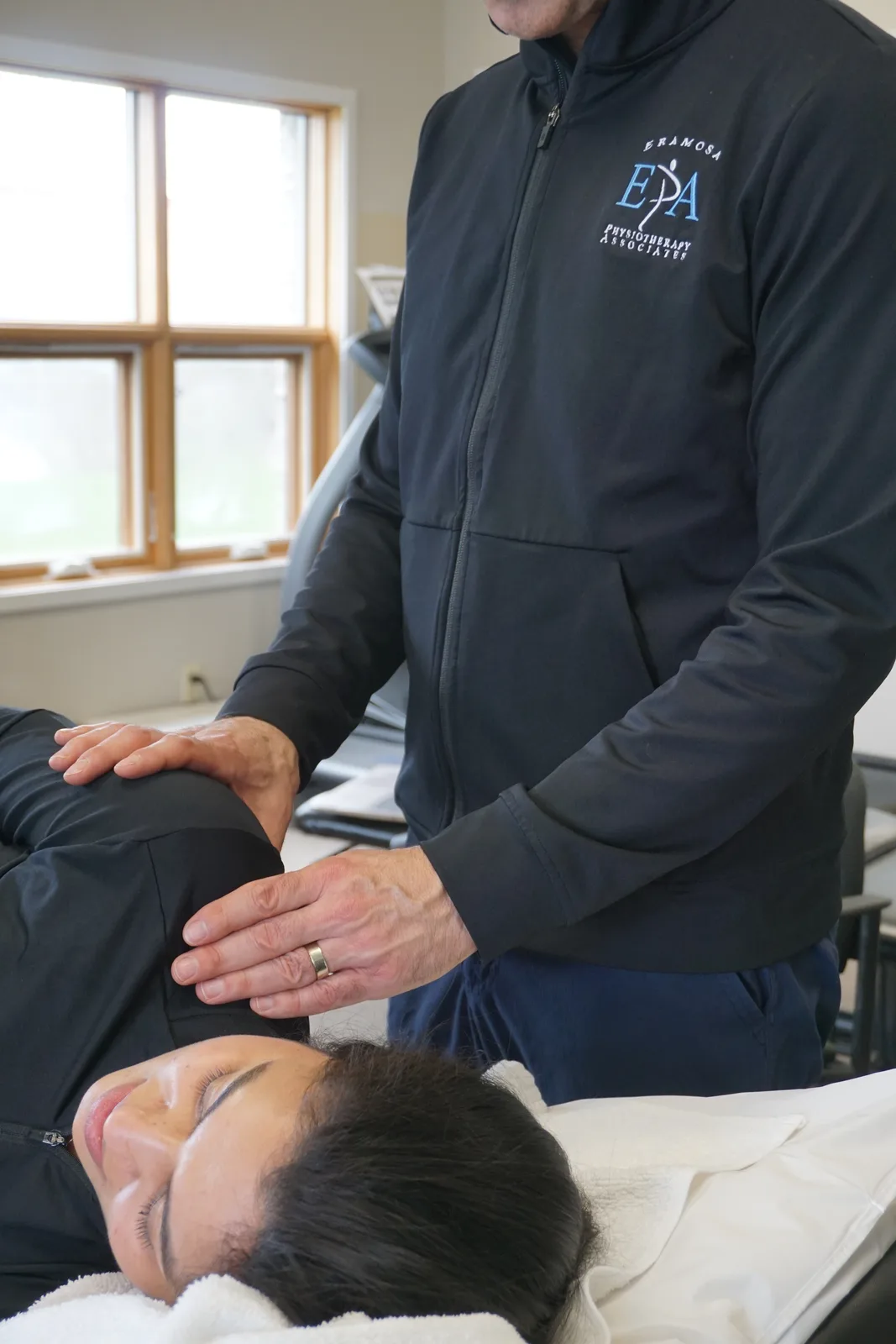
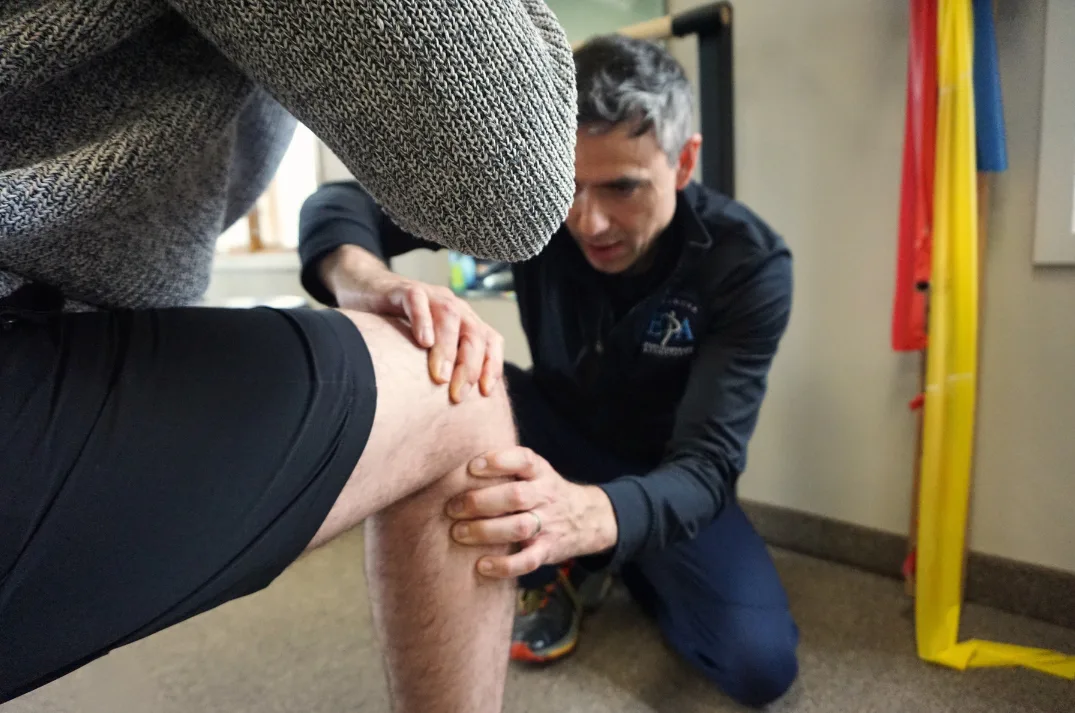
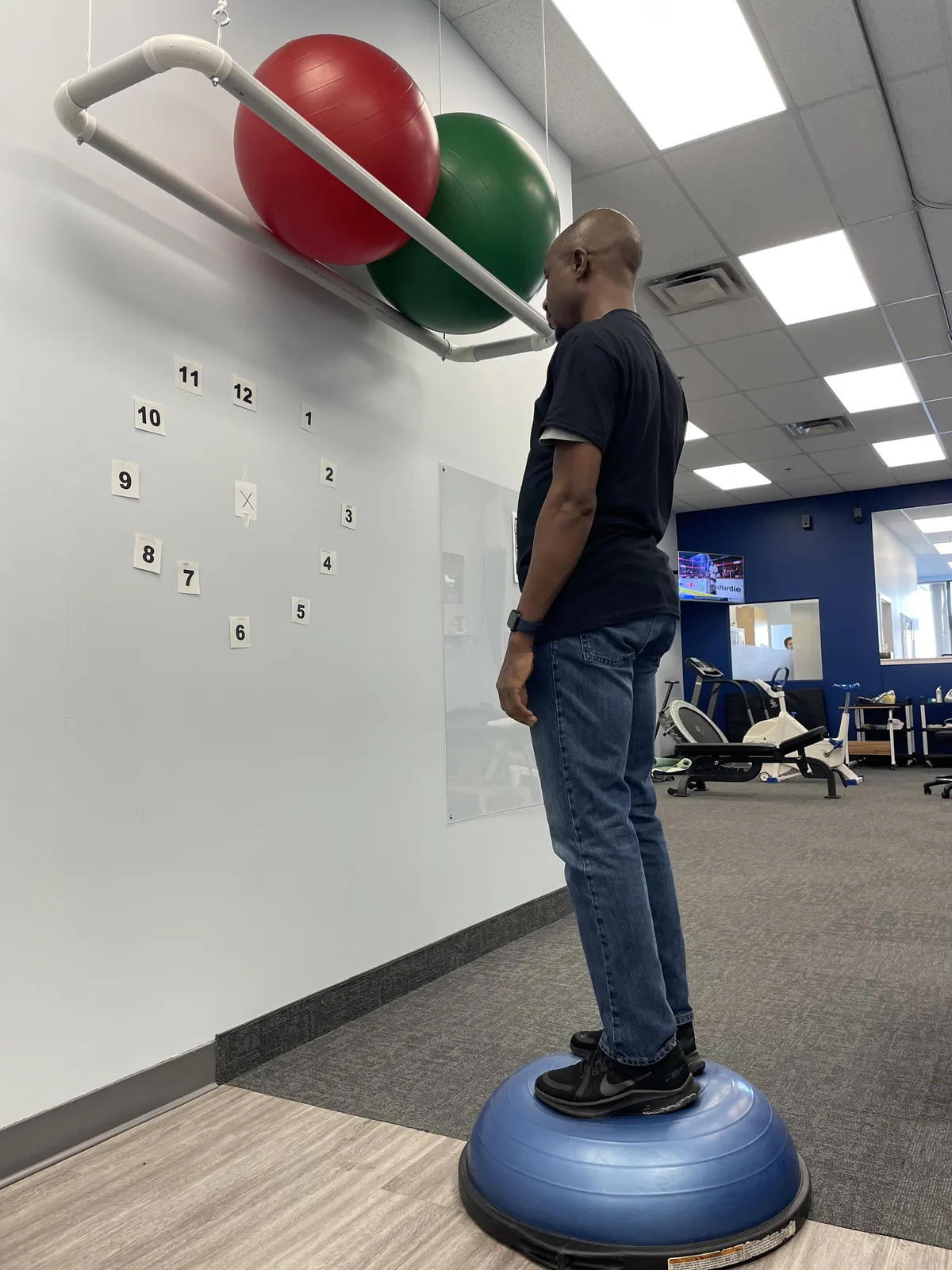
Seek care quickly if symptoms worsen or if there are any behavioral changes. Schedule an appointment to see a Sports Physician or EPA Concussion Management Physiotherapist for proper instruction on safe Concussion Management.
Common signs and symptoms
- Headache
- Nausea
- Dizziness
- Balance problems
- Visual problems
- Fatigue
- Sensitivity to light or noise
- Feeling mentally foggy
- Feeling slowed down
- Difficulty remembering
- Difficulty concentrating
- Irritability
- Sadness
- More emotional
- Nervousness
- Trouble falling asleep
What should I do during the rest phase of recovery?
Avoid:
Physical activities that produce/increase concussion symptoms, as this might increase recovery time.
Lengthy mental activities requiring concentration including homework, schoolwork, job-related work, and extended video game playing, as these activities may worsen symptoms and prolong recovery.
Sleep:
- Get good sleep and take naps if tired. No late nights or sleepovers.
- It is NOT necessary to wake up periodically.
- Try to stay within a normal sleep pattern.
It is ok to:
- Take pain medicine as prescribed
- Use ice pack on head and neck for comfort
- Go to sleep
- Rest
There is no need to:
- Stay in bed
- Wake up every hour
Do not:
- Drive while you have symptoms
- Exercise or lift weights
- Drink alcohol
- Participate in sports or high-risk activities
Returning to School
- If symptoms are severe (cannot concentrate for more than 30-45 minutes without symptoms worsening), staying home and resting may be indicated until symptoms improve. If symptoms are less severe, rest breaks during school can help recovery.
- Inform teacher(s) about your injury and symptoms. Accommodations should be put in place immediately.
Students who experience symptoms of concussion need periodic rest breaks and extra help to perform school activities. They may not perform at their best on classroom or standardized tests. - As symptoms decrease, the extra supports (rest breaks during school) can be removed slowly.
No physical education class, physical activity at recess, or sport practices/games unless directed by a qualified health professional. - It is normal to feel frustrated, sad, and even angry because you cannot return to sports/recreation right away. With an injury, a full recovery will lower the chances of getting hurt again.
- It is better to miss a couple games than the whole season.
Return to Play Protocol
Once symptoms resolve at rest, a step-by-step return to play protocol will be used to get an athlete back to symptom-free physical activity.
Contact your local Eramosa Physiotherapy for safe and effective concussion management.